When the mercury rises, our dogs feel the heat far more than we do. Unlike humans, dogs can’t sweat through their skin — they rely on panting and limited heat release through their paw pads. This means hot weather puts extra stress on their bodies, making nutrition and hydration more important than ever.
A well‑planned summer diet for dogs can help regulate body temperature, maintain energy, and support overall health during the hottest months. In this guide, we’ll explore the best dog food for summer, the role of cooling foods for dogs, and how to adapt your dog’s meals for optimal seasonal dog nutrition.
- Why Nutrition Matters More in Hot Weather
- Choosing the Best Dog Food for Summer
- Cooling Foods for Dogs
- Hydration: The Foundation of Seasonal Dog Nutrition
- Feeding Schedule Adjustments
- Foods to Avoid in Hot Weather
- Fun Summer Feeding Ideas
- Sample Summer Diet Plan for Dogs
- Monitoring Your Dog’s Health in Summer
- Conclusion
Why Nutrition Matters More in Hot Weather
Warm climates affect dogs in several ways:
- Increased risk of dehydration due to panting and higher water loss.
- Reduced appetite in some dogs, which can lead to nutrient deficiencies.
- Higher energy demands for active dogs, especially those who swim, hike, or play outdoors.
- Skin and coat stress from sun exposure, saltwater, or chlorinated pools.
By adjusting your dog’s diet to suit the season, you can help them stay cool, hydrated, and healthy.
Choosing the Best Dog Food for Summer
When selecting the best dog food for summer, look for:
High‑Quality Protein
Protein supports muscle maintenance and recovery, especially for active dogs. Opt for lean sources like:
- Chicken
- Turkey
- White fish (cod, tilapia)
- Kangaroo (a lean, hypoallergenic option popular in Australia)
💡 Tip: Avoid overly fatty meats in hot weather — they can slow digestion and make your dog feel sluggish.
Healthy Fats in Moderation
Fats are essential for skin, coat, and energy, but too much can be heavy in the heat. Choose:
- Omega‑3 rich fish oils (salmon, sardine, flaxseed)
- Coconut oil in small amounts for skin health
Complex Carbohydrates
Slow‑release carbs provide steady energy without spiking blood sugar:
- Brown rice
- Oats
- Sweet potato
- Quinoa
Moisture‑Rich Foods
Wet food, fresh food, or raw diets naturally contain more water, helping with hydration. Even mixing a little wet food into kibble can make a difference.
Added Antioxidants

Summer means more sun exposure, which can increase oxidative stress. Look for foods with:
- Blueberries
- Spinach
- Pumpkin
- Carrots
Cooling Foods for Dogs
Some foods have a naturally cooling effect on the body and can be incorporated into your dog’s summer diet:
- Cucumber – Hydrating and low‑calorie.
- Watermelon (seedless) – 92% water, rich in vitamins A and C.
- Celery – Crunchy, hydrating, and good for fresh breath.
- Apple slices (no seeds) – Refreshing and full of fibre.
- Plain Greek yoghurt – Cooling, probiotic‑rich, and great for gut health.
💡 Serve these as snacks, mix into meals, or freeze into ice blocks for a fun treat.
Hydration: The Foundation of Seasonal Dog Nutrition
No matter how good your summer diet for dogs is, it won’t work without proper hydration.
Hydration tips:
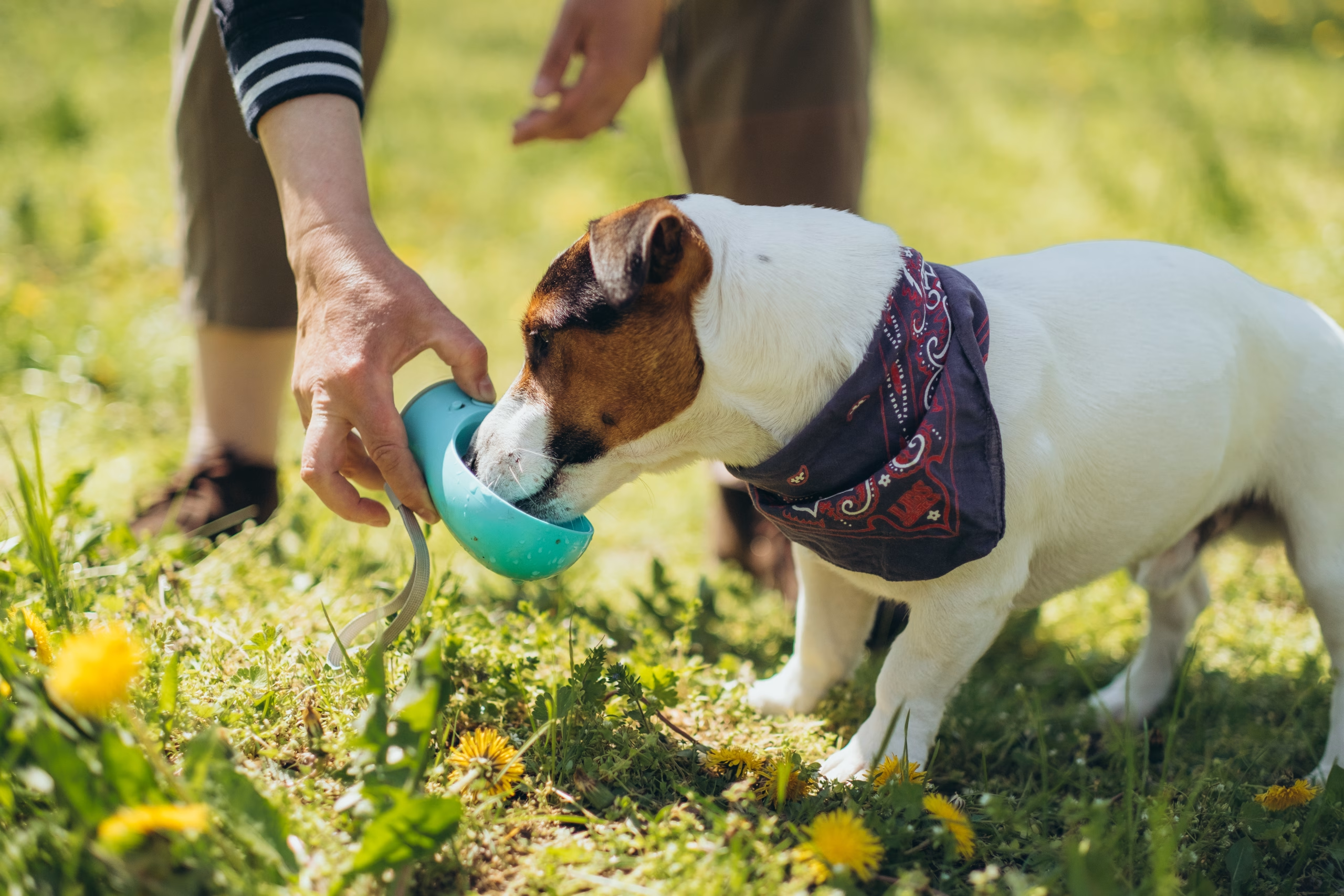
- Provide multiple water bowls in shaded areas.
- Carry a portable dog water bottle on walks.
- Add water or low‑sodium broth to meals.
- Offer ice cubes or frozen treats for enrichment and cooling.
Feeding Schedule Adjustments
Dogs may eat less in hot weather. To encourage healthy eating:
- Feed during cooler parts of the day (early morning, evening).
- Offer smaller, more frequent meals.
- Avoid heavy meals before exercise.
Special Considerations for Active Dogs
Working, sporting, or highly active dogs need extra care in summer:
- Increase electrolytes naturally with foods like bone broth.
- Choose performance dog foods with balanced protein, fat, and carbs.
- Monitor weight — heat can reduce activity, leading to weight gain if portions aren’t adjusted.
Senior Dogs in Summer
Older dogs may struggle more with heat regulation:
- Opt for easily digestible proteins.
- Include joint‑supporting nutrients (glucosamine, chondroitin).
- Keep meals light but nutrient‑dense.
Foods to Avoid in Hot Weather
Some foods are unsafe year‑round, but in summer, the risks can be higher:
- Onions, garlic, grapes, raisins – Toxic to dogs.
- High‑fat scraps – Can cause pancreatitis.
- Salty snacks – Increase dehydration risk.
- Ice cream – Dairy and sugar can upset digestion.
Fun Summer Feeding Ideas

- Frozen Kong – Stuff with yoghurt, banana, and blueberries, then freeze.
- Pup‑sicles – Blend watermelon and mint, freeze in moulds.
- Chilled broth cubes – Freeze low‑sodium chicken broth for a savoury treat.
These not only cool your dog but also provide mental stimulation.
Sample Summer Diet Plan for Dogs
Morning:
- Lean protein (chicken or fish) + brown rice + steamed veggies (carrot, zucchini)
- Add a spoon of plain Greek yoghurt
Midday snack:
- Frozen cucumber and watermelon cubes
Evening:
- High‑quality kibble mixed with wet food for moisture
- Sprinkle of blueberries for antioxidants
Throughout the day:
- Fresh water available at all times
- Occasional frozen treats
Monitoring Your Dog’s Health in Summer
Signs your dog’s diet may need adjusting:
- Lethargy or low energy
- Dry nose or gums (possible dehydration)
- Weight loss or gain
- Dull coat or itchy skin
If you notice these, consult your vet to tweak your seasonal dog nutrition plan.
Conclusion
A thoughtful summer diet for dogs is about more than just filling the bowl — it’s about supporting hydration, digestion, and overall wellbeing in the heat. By choosing the best dog food for summer, incorporating cooling foods for dogs, and adjusting feeding routines, you can help your pup stay healthy, happy, and active all season long.
Remember: every dog is different. Monitor your dog’s response to dietary changes, and work with your vet to create a plan tailored to their age, breed, and activity level. With the right seasonal dog nutrition, summer can be a safe, joyful time for both of you.