As the temperature rises, many dog owners worry about their pets overheating. One common concern is excessive drooling. But is it normal for dogs to drool more in the heat?
Drooling can be a sign of various things, including overheating. When dogs pant and drool, they’re trying to cool themselves down. However, excessive drooling can also indicate other issues.
If you’re worried about your pet’s drooling, it’s essential to understand what’s normal and what’s not. In this article, we’ll explore the reasons behind excessive drooling in dogs and what you can do to help your pet stay cool and comfortable.
Key Takeaways
- Excessive drooling can be a sign of overheating in dogs.
- Dogs pant and drool to cool themselves down.
- Understanding what’s normal drooling is crucial.
- Other health issues can cause excessive drooling.
- There are ways to help your pet stay cool and comfortable.
Understanding Normal vs. Excessive Drooling in Dogs
While some drooling is normal in dogs, excessive drooling can indicate a problem that needs attention. Drooling, or salivation, is a natural behavior for dogs, but the amount and context can vary greatly between individuals and breeds.
What constitutes normal drooling?
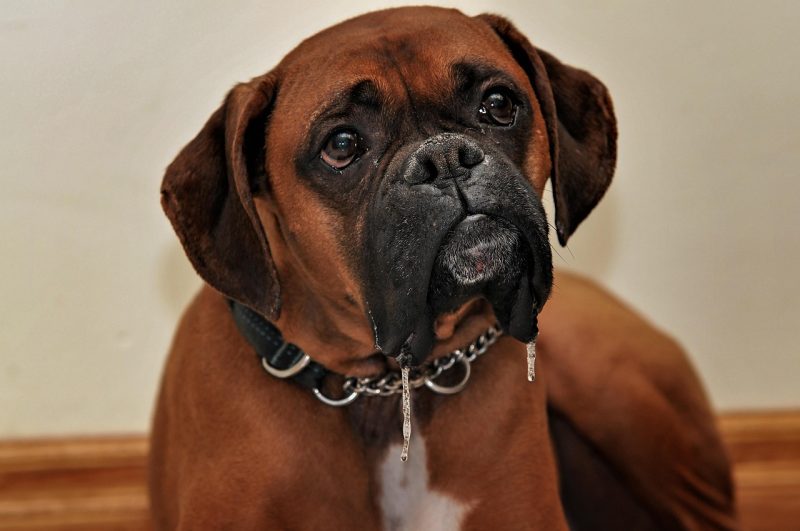
Normal drooling in dogs can be triggered by various factors, including food, excitement, or even just the anticipation of a meal. Some breeds are more prone to drooling due to their facial structure, such as those with loose, floppy lips. For these dogs, a certain level of drooling is considered normal.
When drooling becomes a concern
Excessive drooling, however, can be a sign of an underlying issue. This could range from dental problems or gastrointestinal upset to more serious conditions like heatstroke or neurological disorders. Monitoring your dog’s drooling patterns and being aware of any changes is crucial.
Breed-specific drooling tendencies
Certain breeds are known for their drooling tendencies. For example, breeds like the Saint Bernard, Bloodhound, and Mastiff are notorious for their slobbery kisses. Understanding your dog’s breed-specific traits can help you differentiate between normal and excessive drooling.
By being aware of what is normal for your dog and recognizing when their drooling patterns change, you can take proactive steps to ensure their health and comfort.
The Connection Between Heat and Dog Drooling
Understanding why dogs drool more in the heat can help owners identify potential health issues. Dogs regulate their body temperature primarily through panting, a process that involves the evaporation of saliva from their tongues.
How dogs regulate body temperature
Dogs do not sweat like humans; instead, they rely on panting to cool down. When a dog pants, it takes in air, which passes over the moist surfaces of the tongue, throat, and lungs, cooling the dog down through evaporation.
Why heat triggers increased salivation
When dogs are exposed to high temperatures, their bodies respond by increasing salivation to enhance the cooling effect of panting. This is a normal response to heat and is usually not a cause for concern.
Normal vs. concerning heat-related drooling
While some drooling in the heat is normal, excessive drooling can be a sign of overheating or heatstroke. It’s crucial to differentiate between normal heat-induced salivation and signs of distress.
| Signs | Normal Response | Concerning Response |
|---|---|---|
| Drooling | Increased salivation during heat | Excessive, persistent drooling |
| Body Temperature | Normal temperature range (38-39°C) | High temperature (above 40°C) |
| Behavior | Panting, relaxed | Restless, lethargic, or collapsing |
Recognizing the difference between normal and concerning signs can help dog owners take appropriate action to ensure their pet’s safety during hot weather.
Recognising Signs of Overheating in Your Dog
As the temperature rises, it’s crucial to monitor your dog for signs of overheating. Dogs often exhibit behaviors and physical signs that can indicate they are becoming too hot.
Early Warning Signs Beyond Drooling
Beyond drooling, there are several early warning signs that your dog might be overheating. These include:
- Panting heavily or rapidly
- Restlessness or agitation
- Bright red gums or tongue
- Increased heart rate
Recognizing these signs early can help you take preventive measures to cool your dog down.
Advanced Symptoms of Heat Stress
If your dog’s condition progresses, you may notice more severe symptoms, such as:
- Vomiting or diarrhea
- Lack of coordination or weakness
- Seizures or collapse
These advanced symptoms require immediate veterinary attention.
The Progression from Heat Stress to Heatstroke
Heat stress can quickly escalate to heatstroke if not addressed. Heatstroke is a life-threatening condition characterized by:
- Body temperature above 41°C (106°F)
- Severe lethargy or unconsciousness
Immediate action is crucial if you suspect your dog is suffering from heatstroke.
Understanding the signs of overheating and taking prompt action can save your dog’s life. Always be vigilant during hot weather and take proactive steps to keep your dog cool.
Why Your Dog Might Be Drooling Excessively
Understanding why your dog is drooling excessively is crucial for identifying potential health concerns early. Excessive drooling, or hypersalivation, can be a sign of various underlying issues, ranging from heat-related causes to serious medical conditions.
Heat-related Causes
One common reason for excessive drooling is heat stress. Dogs often drool as a way to cool themselves down when they’re overheated. If your dog has been exercising in the heat or has been exposed to high temperatures, their drooling could be a sign that they’re struggling to regulate their body temperature.
Medical Conditions that Increase Salivation
Certain medical conditions can cause excessive drooling in dogs. These include dental problems, gastrointestinal issues, and neurological disorders. If your dog’s drooling is accompanied by other symptoms like vomiting, lethargy, or loss of appetite, it’s essential to seek veterinary care.
Anxiety and Stress-Related Drooling
Just like humans, dogs can experience anxiety and stress, which can manifest as excessive drooling. Changes in environment, separation anxiety, or even certain noises can trigger this response.
Toxin Exposure and Foreign Objects
Toxin exposure or the presence of foreign objects in the mouth or digestive tract can also cause excessive drooling. If you suspect your dog has ingested something harmful, it’s crucial to act quickly and seek professional help.
Measuring Your Dog’s Temperature: When to Be Concerned
Knowing how to measure your dog’s temperature is a vital skill for dog owners. It helps in identifying potential health issues early, especially during hot weather.
Normal Dog Body Temperature Ranges
A dog’s normal body temperature ranges from 38°C to 39°C (100°F to 102°F). Temperatures above or below this range can indicate health problems.
How to Safely Take Your Dog’s Temperature
To take your dog’s temperature, use a digital thermometer designed for pets. Lubricate the thermometer with petroleum jelly or a similar product before gently inserting it into your dog’s rectum. Hold the thermometer in place until it beeps, then read the temperature.
Temperature Thresholds that Require Immediate Action
If your dog’s temperature exceeds 40°C (104°F) or drops below 37°C (98.6°F), seek veterinary care immediately. Hyperthermia or hypothermia can be life-threatening if not treated promptly.
Emergency First Aid for an Overheated Dog
When your dog shows signs of overheating, knowing the right first aid techniques can be lifesaving. Dogs can quickly succumb to heatstroke, a potentially fatal condition if not addressed promptly.
Immediate Cooling Techniques

To cool an overheated dog, start by moving them to a cooler location, such as a shaded area or an air-conditioned room. Remove any wet collars or harnesses and provide small amounts of cool water to drink. You can also wet their fur with cool water, focusing on areas like the neck, armpits, and belly, to help lower their body temperature.
Another effective method is to use cool packs or cold compresses wrapped in a towel and placed against their body. Avoid using ice directly on their skin to prevent hypothermia.
What NOT to Do When Cooling Your Dog
It’s equally important to know what not to do when cooling an overheated dog. Avoid submerging your dog in cold water, as this can cause shock. Do not use ice baths or very cold water, as this can lead to hypothermia. Also, refrain from using a fan directly on your dog, as it may not be effective in cooling them down when they are experiencing heatstroke.
When to Seek Emergency Veterinary Care
If your dog shows severe signs of heatstroke, such as collapse, seizures, or a body temperature above 41°C, seek immediate veterinary care. Even if your dog seems to recover after cooling measures, it’s crucial to have them checked by a veterinarian, as heatstroke can cause internal damage that may not be immediately apparent.
Prompt action and the right first aid can significantly improve your dog’s chances of recovery from heatstroke. Always be prepared to act quickly and seek professional help when needed.
Effective Methods to Keep Your Dog Cool in Hot Weather
As the temperature rises, it’s crucial to implement effective dog cooling methods to keep your pet comfortable. Dogs can’t sweat like humans do, so they rely on other methods to regulate their body temperature.
Creating a Cool Environment at Home
One of the simplest ways to keep your dog cool is by creating a cool environment at home. Ensure your house is well-ventilated, and consider using fans or air conditioning to lower the temperature. Providing a cool, shaded area for your dog to rest is also essential.
Hydration Strategies
Hydration is key to keeping your dog cool. Ensure your dog always has access to fresh, cool water. You can also add ice cubes to their water to keep it cool for longer. For dogs that need extra hydration, consider incorporating wet food into their diet or using hydration supplements.
Cooling Products and Tools
There are various cooling products available that can help keep your dog cool. These include cooling mats, vests, and portable water solutions.
Cooling Mats and Vests
Cooling mats and vests are designed to keep your dog’s body temperature down. Cooling mats can be placed in your dog’s favorite resting spot, while cooling vests can be worn during walks or outdoor activities. These products often contain gel packs or phase-change materials that stay cool for several hours.
Portable Water Solutions
Portable water solutions, such as collapsible water bowls or water bottles with built-in bowls, make it easy to keep your dog hydrated on the go. These are especially useful during long walks or car journeys.
By implementing these strategies, you can help ensure your dog stays cool and comfortable during hot weather. Remember, it’s always better to be proactive when it comes to your dog’s health and safety.
High-Risk Dogs: Breeds Most Susceptible to Heat Problems
Some dog breeds are more prone to heat-related problems due to their physical characteristics. Understanding these risks is crucial for dog owners to take necessary precautions and ensure their pets’ safety during hot weather.
Brachycephalic Breeds
Brachycephalic, or flat-faced, breeds such as Pugs and Bulldogs are more susceptible to heat issues due to their short nasal passages, which can impede their ability to cool down efficiently.
Dogs with Thick Coats
Dogs with thick coats, like Siberian Huskies, can also struggle in hot weather. Their dense fur provides insulation against cold but can trap heat, making it difficult for them to cool down.
Elderly, Overweight, and Health-Compromised Dogs
Elderly dogs, those that are overweight, and dogs with pre-existing health conditions are at a higher risk of heat-related problems. Their reduced physical condition or health issues can impair their ability to regulate body temperature.
| High-Risk Category | Examples | Heat-Related Risks |
|---|---|---|
| Brachycephalic Breeds | Pugs, Bulldogs | Breathing difficulties, heatstroke |
| Dogs with Thick Coats | Siberian Huskies, Alaskan Malamutes | Overheating, dehydration |
| Elderly, Overweight, and Health-Compromised Dogs | Senior dogs, obese dogs, dogs with heart conditions | Heat stress, exacerbation of existing health issues |
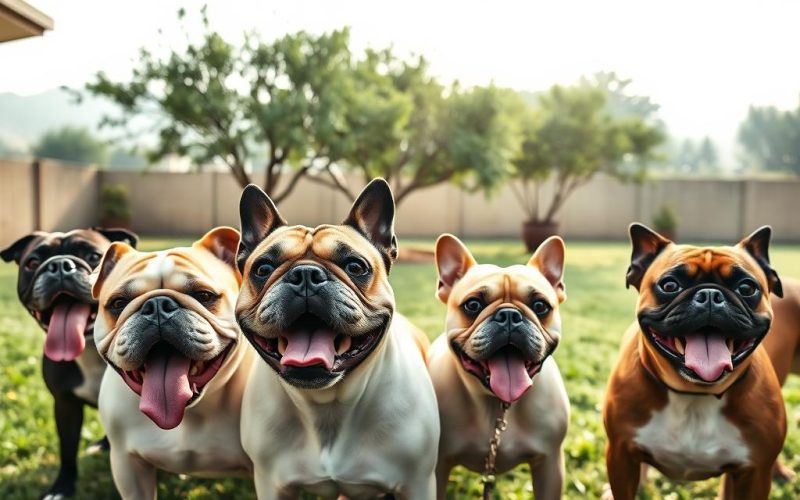
Being aware of these risks allows dog owners to take specific precautions to protect their pets. Providing a cool environment, ensuring adequate hydration, and limiting exercise to cooler parts of the day can significantly reduce the risk of heat-related problems.
Seasonal and Environmental Factors Affecting Your Dog’s Heat Tolerance
Understanding the environmental factors that affect your dog’s ability to regulate temperature is vital, especially during the hot Australian summer. As temperatures soar, it’s crucial to recognize how different factors impact your dog’s heat tolerance.
Australian Summer Considerations
The Australian summer brings extreme temperatures and humidity, posing significant risks to dogs. It’s essential to keep your dog cool and hydrated during this period.
Humidity Effects on Cooling Efficiency
High humidity levels can severely impact a dog’s ability to cool down. When the air is full of moisture, dogs struggle to dissipate heat through panting, making them more susceptible to heat stress.
| Humidity Level | Effect on Dogs | Recommended Action |
|---|---|---|
| Low (<40%) | Minimal impact on cooling | Monitor temperature |
| Moderate (40-60%) | Moderate risk of heat stress | Provide extra water, limit exercise |
| High (>60%) | High risk of heat stress | Avoid exercise, keep cool and hydrated |
Adjusting Exercise Routines for Hot Weather
During the Australian summer, it’s vital to adjust your dog’s exercise routine to prevent overheating. Early morning or late evening walks are preferable when temperatures are lower.
Conclusion: Keeping Your Dog Safe and Comfortable Year-Round
As a responsible dog owner, it’s essential to be proactive in ensuring your pet’s safety and comfort throughout the year. This comprehensive guide has provided you with valuable insights into dog heat safety, signs of overheating, and effective prevention measures to keep your dog safe.
By understanding normal vs. excessive drooling, recognizing signs of heat stress, and taking preventive measures, you can significantly reduce the risk of heat-related illnesses in your dog. Regularly checking your dog’s temperature, providing a cool environment, and adjusting exercise routines according to the weather are simple yet effective ways to keep your dog safe.
By following this guide and staying informed, you can enjoy a happy and healthy relationship with your dog, regardless of the season. Prioritizing dog heat safety and taking proactive steps will ensure your pet remains comfortable and safe year-round.
FAQ
Why is my dog drooling so much in the heat?
Dogs often drool more in the heat as a way to cool down. When they pant and drool, it helps to evaporate saliva, which can cool their body. However, excessive drooling can also be a sign of heat stress or heatstroke, so it’s crucial to monitor your dog’s overall condition.
Is excessive drooling a sign of heatstroke in dogs?
Yes, excessive drooling can be one of the signs of heatstroke in dogs, along with panting, restlessness, and lethargy. If you suspect your dog is suffering from heatstroke, it’s essential to cool them down immediately and seek veterinary care.
What to do if my dog is overheating and drooling?
If your dog is overheating and drooling, move them to a cool, shaded area or an air-conditioned space. Provide plenty of cool water for them to drink, and consider using cooling products like mats or vests. If their condition doesn’t improve, seek veterinary attention.
How can I tell if my dog is too hot?
Signs that your dog might be too hot include excessive panting, drooling, restlessness, lethargy, and a body temperature above 41°C. If you notice any of these symptoms, take immediate action to cool your dog down.
What are the signs of heatstroke in dogs?
The signs of heatstroke in dogs can include excessive drooling, panting, lethargy, collapse, and a high body temperature. If you suspect your dog has heatstroke, it’s crucial to act quickly to cool them down and seek emergency veterinary care.
How can I prevent my dog from getting heatstroke?
To prevent heatstroke, ensure your dog has access to plenty of cool water, provide a cool environment, limit exercise to cooler parts of the day, and consider using cooling products. Be aware of the environmental factors like humidity and adjust your care accordingly.
Are some dog breeds more prone to heat problems?
Yes, certain breeds are more susceptible to heat-related issues, including brachycephalic breeds, dogs with thick coats, and elderly or health-compromised dogs. Take extra precautions with these dogs during hot weather.
How can I keep my dog cool during an Australian summer?
To keep your dog cool, create a cool home environment, use hydration strategies, and consider cooling products like mats and vests. Adjust their exercise routine to avoid the hottest parts of the day and be mindful of the humidity.