As a responsible pet owner, it’s crucial to understand the unique needs of brachycephalic breeds during warm weather. Breeds like Pugs, Bulldogs, and Boston Terriers are more susceptible to heat-related issues due to their flat face and breathing difficulties.
To keep your brachycephalic pet safe and comfortable during the summer months, we’ll explore necessary adjustments such as creating a cool home environment and adjusting exercise routines.
Key Takeaways
- Understand the risks associated with brachycephalic breeds in warm weather.
- Learn how to create a cool and safe home environment.
- Discover the importance of adjusting exercise routines for brachycephalic pets.
- Find out how to provide proper hydration for your pet.
- Understand the signs of heat-related issues in brachycephalic breeds.
Understanding Brachycephalic Dogs and Their Heat Sensitivity
Understanding brachycephalic dogs is crucial for their care, especially when it comes to managing their exposure to heat. These dogs, characterized by their short, flat skulls, face unique challenges, particularly in warm weather.
What Makes a Dog Brachycephalic?
Brachycephalic dogs are bred to have a short, compressed skull, which can lead to breathing difficulties. This anatomy affects their ability to pant effectively, a crucial mechanism for cooling down. As a result, brachycephalic breeds are more prone to heat stress.
Why These Breeds Struggle in Heat
The primary issue for brachycephalic dogs in heat is their compromised ability to breathe and cool themselves. Their short nasal passages and elongated soft palates can obstruct airflow, making it harder for them to regulate their body temperature. This struggle is exacerbated in hot weather, increasing the risk of heatstroke.
Common Brachycephalic Breeds
Some popular breeds fall into the brachycephalic category, including Bulldogs, Pugs, and Boxers. These breeds are beloved for their unique appearance and affectionate nature. However, their owners must be aware of the specific challenges they face in warm weather and take appropriate precautions to ensure their safety and comfort.
Recognizing Signs of Overheating in Flat-Faced Dogs
Overheating can be a serious issue for flat-faced breeds, and knowing the early indicators can be lifesaving. Brachycephalic dogs, due to their unique anatomy, are more susceptible to heat-related issues. It’s crucial for owners to be vigilant and recognize the signs of overheating to ensure their pets receive timely care.
Early Warning Signs
Early warning signs of overheating in brachycephalic dogs include excessive panting, drooling, and restlessness. Dogs may also show signs of anxiety or discomfort, such as pacing or whining. Recognizing these signs early can help prevent the condition from worsening.
Severe Symptoms Requiring Immediate Action
As overheating progresses, dogs may exhibit severe symptoms such as collapse, seizures, or even coma. These symptoms indicate a life-threatening condition that requires immediate veterinary attention. If your dog shows any of these signs, it’s essential to act quickly.
Difference Between Normal Panting and Distress
Distinguishing between normal panting and distress is critical. While panting is a normal behavior for dogs to cool down, distress panting is more rapid and labored. Dogs in distress may also display other signs such as bright red gums or a blue-tinged tongue, indicating a serious issue.
| Signs | Normal Behavior | Distress/Overheating |
|---|---|---|
| Panting | Slow, relaxed breathing | Rapid, labored breathing |
| Gum Color | Pink | Bright red or blue-tinged |
| Activity Level | Normal activity | Restlessness or collapse |
Creating a Cool Home Environment for Your Dog During Summer
Keeping your brachycephalic dog cool indoors is vital during the warm summer months. A cool home environment is crucial for preventing heat stress and ensuring your dog’s comfort. This involves maintaining optimal indoor temperatures, using cooling devices effectively, and providing comfortable resting areas.
Optimal Indoor Temperature Settings
Maintaining an indoor temperature between 68-72°F (20-22°C) is ideal for brachycephalic dogs. This range helps in reducing the risk of heat stress and keeps your dog comfortable. You can achieve this by adjusting your thermostat and using thermometers to monitor the temperature in different areas of your home.
Strategic Use of Fans and Air Conditioning
Fans and air conditioning units are effective tools for cooling your home. Place fans in areas where your dog spends most of their time to circulate cool air. Air conditioning can be used to maintain a consistent cool temperature throughout your home. Consider using ceiling fans to reduce the load on air conditioning units and save energy.
Creating Cool Resting Spots and Elevated Beds
Providing cool resting spots is essential for your dog’s comfort. Elevated beds can help keep your dog cool by allowing air to circulate underneath. You can also use cooling mats or pads specifically designed for dogs. Place these in shaded areas or under fans to enhance their cooling effect.
By implementing these strategies, you can create a cool and comfortable home environment for your brachycephalic dog, significantly reducing the risks associated with warm weather.
Adjusting Exercise Routines for Warm Weather Safety
Adjusting your brachycephalic dog’s exercise routine is vital during warm weather to mitigate the risk of heat stress. Brachycephalic breeds, with their unique respiratory challenges, are particularly vulnerable to heat-related issues. As such, modifying their physical activities during the summer months is not just beneficial but necessary for their well-being.
Timing Walks to Avoid Peak Heat
One of the most effective strategies for protecting your brachycephalic dog from the heat is to schedule walks during the cooler parts of the day. Avoiding peak heat hours, typically between 11 am and 3 pm, can significantly reduce your dog’s exposure to extreme temperatures. Early morning or late evening walks are ideal as the temperature is generally lower during these times, making it safer for your dog to be outside.
Appropriate Exercise Duration and Intensity
Modifying the duration and intensity of your dog’s exercise is crucial in warm weather. Shorter, more gentle walks are recommended to prevent overheating. It’s also important to monitor your dog’s response to exercise and adjust accordingly. If your dog shows signs of distress, such as excessive panting or difficulty breathing, it’s essential to stop the activity immediately and provide a cool, shaded area for rest.
Alternative Indoor Activities
On particularly hot days, or when outdoor activities are risky, engaging your brachycephalic dog in alternative indoor activities can provide necessary mental stimulation and physical exercise without the heat risk. Indoor games such as hide-and-seek, puzzle toys filled with treats, and gentle indoor fetch are excellent ways to keep your dog active and entertained. These activities not only help in maintaining your dog’s physical health but also contribute to their mental well-being by reducing boredom and stress.
Hydration Strategies for Brachycephalic Dogs in Summer
Summer can be challenging for brachycephalic breeds, making effective hydration strategies essential. Brachycephalic dogs, with their unique anatomy, are more susceptible to heat stress and dehydration. Ensuring they stay hydrated is crucial for their health and well-being during the warm weather.
Water Intake Requirements
Brachycephalic dogs need access to fresh water at all times. The general rule is that dogs should drink about 1 ounce of water per pound of body weight per day. However, during summer, this requirement may increase due to higher temperatures and potential heat stress.
| Dog Weight (lbs) | Daily Water Intake (oz) | Summer Adjustment |
|---|---|---|
| 20 | 20 | +10% |
| 50 | 50 | +20% |
| 80 | 80 | +25% |
Creative Ways to Encourage Drinking
Encouraging your brachycephalic dog to drink enough water can be challenging. Here are some creative strategies:
- Use a water fountain to make drinking more engaging.
- Add a small amount of low-sodium chicken broth to their water.
- Offer ice cubes made from chicken or beef broth.
- Place multiple water sources around the house.
Monitoring Hydration Status
Monitoring your dog’s hydration status is vital. Signs of proper hydration include:
- Moist gums.
- A rapid return of the skin to its normal position when pinched.
- Normal urine output.
If you notice signs of dehydration, such as dry gums, lethargy, or decreased urine output, consult your veterinarian immediately.
Specialized Gear for Keeping Your Brachycephalic Dog Cool
Keeping your brachycephalic dog cool in warm weather is crucial, and there are several specialized gear options available to help. As a brachycephalic dog owner, it’s essential to be aware of the various tools that can provide comfort and safety during the hot summer months.
Cooling Vests and Bandanas
Cooling vests and bandanas are designed to help lower your dog’s body temperature. These products often contain special cooling packs or materials that stay cool for extended periods. When choosing a cooling vest or bandana, consider the following factors:
- Look for products with adjustable Velcro straps for a secure fit.
- Opt for vests or bandanas made from breathable, moisture-wicking materials.
- Some popular brands include Ruffwear and The Company of Animals, known for their high-quality cooling gear.
Harnesses vs. Collars for Flat-Faced Breeds
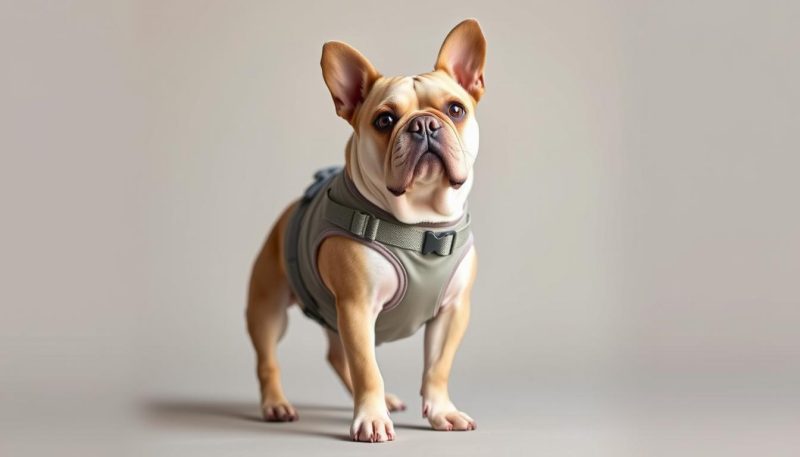
When it comes to walking your brachycephalic dog, the choice between harnesses and collars can significantly impact their comfort and safety. Harnesses are generally recommended for flat-faced breeds because they distribute the force of the leash across the dog’s chest and shoulders, rather than constricting the neck. This can be particularly beneficial in hot weather when dogs may already be struggling to breathe.
Key considerations when selecting a harness include:
- Ensure a proper fit to avoid chafing or restricting movement.
- Choose a harness with padded areas for added comfort.
- Consider a harness with reflective strips for increased visibility during early morning or evening walks.
Portable Cooling Solutions for Outings
For brachycephalic dogs, it’s crucial to have portable cooling solutions when you’re out and about. Portable cooling mats, cooling towels, and even handheld fans can be very effective. These items are designed to be lightweight and easy to carry, making them perfect for trips to the park or short walks.
- Portable cooling mats can provide a cool surface for your dog to lie on.
- Cooling towels can be soaked in water and wrung out to provide a cooling effect as they dry.
- Handheld fans can offer a direct cooling breeze for your dog.
Diet and Feeding Adjustments During Warm Weather
Brachycephalic dogs require special dietary considerations during the summer months to mitigate heat stress. Adjusting their diet and feeding schedule can play a significant role in keeping them cool and comfortable.
Timing of Meals to Avoid Heat Stress
To avoid heat stress, it’s advisable to feed your brachycephalic dog during the cooler parts of the day, such as early morning or late evening. This timing helps prevent digestion from adding to their heat load during the hottest part of the day.
Hydrating Foods and Frozen Treats
Incorporating hydrating foods into your dog’s diet can be beneficial. Foods with high moisture content, such as canned dog food or fresh fruits and vegetables (safe for canine consumption), can contribute to their hydration. Additionally, frozen treats made from low-sodium broth or peanut butter can provide a cooling respite.
Adjusting Portion Sizes for Hot Days
On hot days, it’s essential to monitor and possibly adjust your dog’s portion sizes. Some dogs may have a reduced appetite due to the heat, which is normal. However, it’s crucial to ensure they’re still receiving adequate nutrition. Consulting with a veterinarian can help determine the best feeding strategy for your dog’s specific needs during warm weather.
By making these dietary adjustments, you can help your brachycephalic dog navigate the summer months more comfortably.
Emergency Preparedness for Brachycephalic Breeds
When the temperature rises, brachycephalic dog owners must be ready to respond to potential emergencies. Being prepared can make a significant difference in ensuring the safety and well-being of these sensitive breeds.
Creating a Heat Emergency Plan
Developing a heat emergency plan is crucial for brachycephalic dog owners. This plan should include identifying the nearest veterinary clinic, having a list of emergency contact numbers, and knowing the quickest route to the clinic.
Consider the following elements when creating your plan:
- Identify the nearest 24-hour veterinary emergency clinic.
- Keep a list of emergency contact numbers, including your regular vet and a nearby animal hospital.
- Prepare a pet emergency kit with essentials like water, a first-aid kit, and any necessary medication.
When to Contact Your Veterinarian
Knowing when to seek veterinary help is critical. If your brachycephalic dog shows signs of heat stress, such as excessive panting, drooling, or lethargy, it’s essential to contact your veterinarian immediately.
| Symptom | Action |
|---|---|
| Mild panting or restlessness | Monitor closely, provide cool water, and a shaded area. |
| Excessive panting, drooling, or lethargy | Contact your veterinarian immediately. |
| Collapse or severe distress | Seek emergency veterinary care. |
First Aid for Overheating
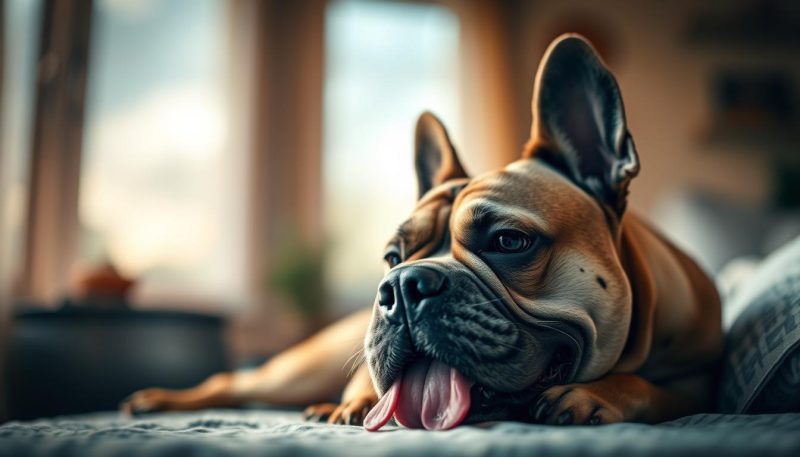
If your brachycephalic dog is overheating, it’s crucial to act quickly. Move your dog to a cool, shaded area, and provide small amounts of cool (not cold) water to drink. You can also wet their fur with cool water to help lower their body temperature.
By being prepared and knowing how to respond in an emergency, you can help keep your brachycephalic dog safe during warm weather.
Conclusion: Balancing Enjoyment and Safety for Your Flat-Faced Companion
Caring for brachycephalic dogs during warm weather requires attention to their unique needs. By understanding their heat sensitivity and implementing the right strategies, you can help ensure their safety and well-being.
To achieve a balance between enjoyment and safety, focus on creating a cool home environment, adjusting exercise routines, and providing proper hydration. These measures will help your flat-faced companion stay healthy and thrive during the summer months.
By following summer safety tips for flat-faced breeds, such as using cooling gear and monitoring hydration status, you can enjoy the warmer seasons with your dog. Remember, prioritizing your dog’s well-being is crucial, and with the right knowledge, you can keep your brachycephalic dog cool and safe.
Balancing enjoyment and safety for brachycephalic dogs is achievable with the right approach. By being mindful of their needs and taking proactive steps, you can create a fun and safe experience for your dog, ensuring a enjoyable summer for both of you.
FAQ
What are the signs of overheating in brachycephalic dogs?
Signs of overheating in brachycephalic dogs include excessive panting, drooling, restlessness, collapse, seizures, or coma. If you notice any of these symptoms, it’s essential to act quickly to cool your dog down and seek veterinary attention if necessary.
How can I keep my brachycephalic dog cool indoors?
To keep your brachycephalic dog cool indoors, maintain an optimal temperature between 68-72°F (20-22°C), use fans and air conditioning strategically, and provide cool resting spots and elevated beds. You can also use cooling vests, bandanas, or mats to help regulate their body temperature.
What adjustments should I make to my brachycephalic dog’s exercise routine during warm weather?
To keep your brachycephalic dog safe during warm weather, avoid exercising them during peak heat hours (11 am – 3 pm), reduce the duration and intensity of exercise, and consider alternative indoor activities. You can also try exercising your dog early in the morning or evening when it’s cooler.
How can I encourage my brachycephalic dog to drink more water?
To encourage your brachycephalic dog to drink more water, try using creative methods such as adding ice cubes to their water, using a water fountain, or offering hydrating foods and treats. You can also try placing multiple water sources around the house to make it easily accessible.
What type of gear can help keep my brachycephalic dog cool?
Specialized gear such as cooling vests, bandanas, and mats can help keep your brachycephalic dog cool. You can also consider using a harness instead of a collar to reduce the risk of heat stress. Portable cooling solutions like cooling pads or packs can be useful during outings.
How can I monitor my brachycephalic dog’s hydration status?
To monitor your brachycephalic dog’s hydration status, check their urine output, color, and specific gravity. You can also monitor their overall behavior, looking for signs of dehydration such as dry mouth, sunken eyes, or lethargy. Consult with your veterinarian for guidance on monitoring hydration status.
What dietary adjustments can I make to help my brachycephalic dog stay cool during warm weather?
To help your brachycephalic dog stay cool, consider adjusting their meal timing to avoid heat stress, incorporating hydrating foods and frozen treats, and adjusting portion sizes to reduce the risk of overheating. Consult with your veterinarian for personalized dietary recommendations.
What should I include in a heat emergency plan for my brachycephalic dog?
A heat emergency plan for your brachycephalic dog should include knowing the signs of overheating, having a list of emergency contact numbers, including your veterinarian, and having a plan for quickly cooling your dog down. You should also have a first aid kit on hand and know when to seek immediate veterinary attention.