
Leaving your dog in the car, even for a short period, can be a dangerous decision. While it may seem convenient to run a quick errand without your furry companion, the risks involved are far greater than most pet owners realize. In fact, even on a mild day, the temperature inside a car can quickly escalate to dangerous levels, putting your dog’s health and safety at serious risk.
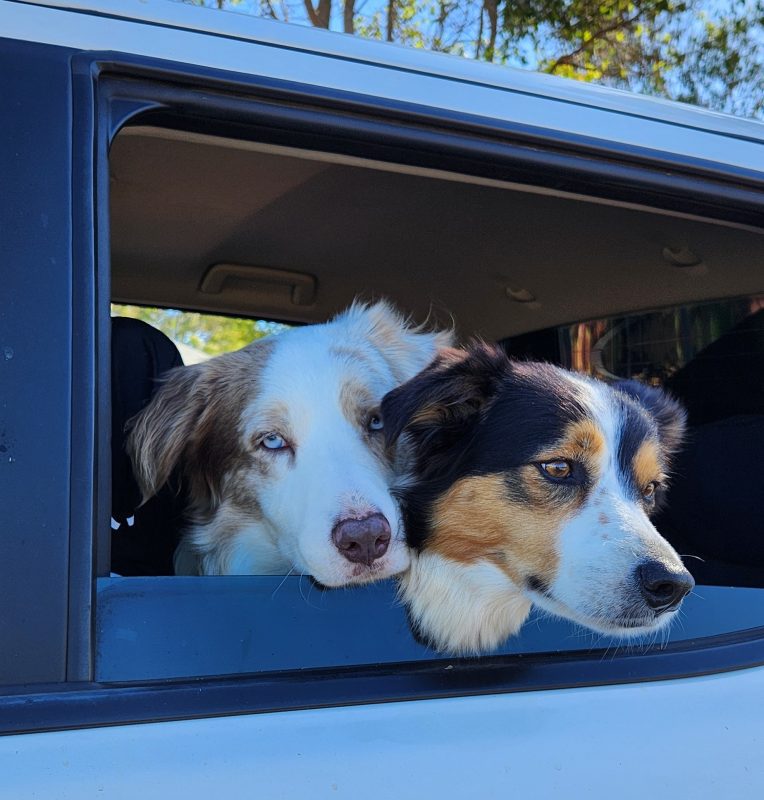
Understanding the potential hazards of leaving your dog in a car is crucial for every responsible pet owner. Dogs are more susceptible to heatstroke, dehydration, and even death in a parked vehicle, making it essential to know when it’s safe to bring them along and when it’s best to leave them at home.
In this article, we will explore the risks, legal implications, and what alternatives exist for safely traveling with your dog. Whether you’re heading to the store or embarking on a road trip, knowing how to protect your dog in warm weather and when to make the right decision could save their life. Stay informed to ensure your dog’s safety and well-being at all times.
Is it safe to leave a dog in a car for a few minutes?
Leaving your dog in a car for even a few minutes can be extremely dangerous, especially during warm weather. The temperature inside a parked car can rise rapidly, even with the windows cracked open. On a 21°C (70°F) day, the temperature inside your vehicle can exceed 38°C (100°F) in just 10 minutes. This can quickly lead to heatstroke, dehydration, and other life-threatening conditions for your pet.
Dogs are at higher risk in such conditions because they don’t sweat like humans do; they regulate their body temperature primarily by panting, which becomes less effective when the air is too hot or humid. Even during cooler months, leaving your dog in a car is still risky—cold temperatures can lead to hypothermia. Especially if your dog is left alone for too long or the car is not properly insulated.
While you might think a few minutes would be safe, it’s important to understand that a dog’s well-being can deteriorate quickly in a car. In fact, the time it takes for a dog to experience heatstroke can be much shorter than you think. If you need to run errands, it’s always safer to leave your dog at home where they are comfortable and cool. If you must take your dog with you, consider pet-friendly places that allow dogs inside or use a pet-sitting service. Your dog’s safety and comfort should always be your top priority.
How hot does it get in a car when it’s warm outside?
The temperature difference between a car’s interior and exterior can be significant, especially on warm days. Even at 21°C (70°F) outside, a car’s interior can reach over 38°C (100°F) within 10 minutes with windows up. The greenhouse effect occurs when sunlight enters through the windows and gets trapped inside, causing the temperature to rise rapidly. This happens because the glass allows sunlight to pass through, but it prevents the heat from escaping. In extreme cases, on a hot day with temperatures reaching 29°C (85°F) or higher, the inside of the car can soar to dangerous levels of 49°C (120°F) or more in less than 30 minutes.
These high temperatures can be life-threatening to pets and children left inside the vehicle, even for short periods. The rapid rise in temperature inside a car, combined with limited airflow, makes it unsafe for dogs, as they can suffer from heatstroke, dehydration, or even death. It’s important to remember that a few minutes inside a car, even on a mild day, can quickly become hazardous. Always consider alternative options for traveling with your pet, such as leaving them at home or finding pet-friendly places.
Can I leave my dog in the car if I crack the windows?
Cracking the windows may seem like a good way to keep your dog safe in the car, but it is not a reliable solution. Even with the windows slightly open, the temperature inside a parked car can still rise quickly, putting your dog at serious risk. On warm days, even if it feels cool outside, the interior of a car can become dangerously hot in a matter of minutes. A 21°C (70°F) day can cause the temperature inside a car to exceed 38°C (100°F), even with the windows cracked. This can lead to heatstroke, dehydration, and other life-threatening conditions for your dog.
Dogs regulate their body temperature primarily through panting, but in a hot, enclosed environment, this process becomes ineffective. Cracking the windows doesn’t provide enough ventilation to keep your dog cool. On the other hand, during colder weather, cracked windows still don’t offer adequate protection from the chill, potentially leading to hypothermia.
For your dog’s safety, it’s best to avoid leaving them in the car altogether. If you must travel with your pet, consider using pet-friendly stores, services, or leaving them safely at home. Cracking the windows does not ensure a safe environment for your dog, so it’s best to err on the side of caution.
What are the signs that my dog is overheating in a car?
If your dog is overheating in a car, it’s essential to recognize the symptoms early to prevent serious health issues like heatstroke. Common signs that your dog is overheating include:
- Heavy Panting: Excessive panting, often with an open mouth, is one of the first signs of overheating.
- Excessive Drooling: Increased drooling or foamy saliva can indicate that your dog is struggling to regulate body temperature.
- Rapid Heart Rate: An elevated or erratic heart rate is a key sign of distress.
- Red or Pale Gums: Check your dog’s gums—if they appear bright red, purple, or pale, it may signal overheating.
- Lethargy or Weakness: Overheating can make your dog appear tired, weak, or unwilling to stand or walk.
- Vomiting or Diarrhea: Heatstroke can lead to gastrointestinal issues, such as vomiting or diarrhea.
- Confusion or Disorientation: Your dog may seem disoriented, confused, or unable to focus.
- Uncoordinated Movement: Difficulty walking or staggering can be signs of overheating affecting your dog’s nervous system.
- Collapsing or Loss of Consciousness: In severe cases, your dog may collapse, lose consciousness, or show signs of seizures.
If you notice any of these symptoms, remove your dog from the hot car immediately, cool them down with water, and seek veterinary attention right away. Always prioritize your dog’s safety and avoid leaving them in a parked car, even for a short time.
Is it ever okay to leave a dog in a car on a cold day?
While it might seem safe to leave your dog in the car on a cold day. This can be very dangerous. Even in cooler weather, a car can quickly become an unsafe environment for your pet. On chilly days, the temperature inside the car can drop rapidly, leading to hypothermia. Especially if the car is not properly insulated or if your dog is left alone for an extended period. Small dogs, puppies, and older dogs are particularly vulnerable to cold temperatures.
Additionally, cars are often poorly ventilated, this can lead to reduced airflow and make it difficult for your dog to stay comfortable. If the car’s interior is too cold, your dog may struggle to regulate their body temperature. This can occur even if they have a thick coat.
Leaving your dog in the car on a cold day also poses a safety risk if the car’s heating system is not on or if the dog is unable to escape from the cold environment. It’s essential to remember that dogs cannot adapt to temperature extremes as easily as humans. This can put them at risk of serious health issues, even in cooler conditions.
What should I do if I see a dog left in a car?
If you see a dog left in a car, it’s important to act quickly to ensure the animal’s safety. Follow these step-by-step actions to handle the situation:
- Assess the Situation: Check the outside temperature and the condition of the dog inside the car. Look for signs of distress such as heavy panting, drooling, or lethargy. If the dog appears to be overheating or struggling, it’s urgent to act.
- Try to Locate the Owner: Walk around the area and check for the car owner. Ask nearby businesses or individuals if they know whose car it is. Some stores may even make announcements to locate the owner.
- Contact Animal Control or Authorities: If you can’t find the owner, and the dog shows signs of distress, call animal control, local law enforcement, or a non-emergency number to report the situation. Many regions have laws protecting animals left in cars, and authorities can respond quickly.
- Consider Breaking the Window (If Necessary): If the dog is in immediate danger (e.g., exhibiting signs of heatstroke or unconsciousness), and no help is on the way, you may need to break the window to rescue the dog. Check your local laws, as breaking into a car can have legal implications, but saving the dog’s life may take precedence.
- Provide Immediate First Aid: Once the dog is out of the car, move them to a cooler area, offer water, and contact a veterinarian right away. Monitor the dog for signs of heatstroke or other distress.
By following these steps, you can help protect a dog left in a car and potentially save their life. Always act quickly and don’t hesitate to contact authorities.
Are there any alternatives to leaving my dog in the car while I run errands?
For your dog’s well-being, it’s always best to leave them at home. Leaving them in a safe, warm environment or bring them with you to pet-friendly places. Avoid leaving your dog in the car, regardless of the season, to ensure their safety and comfort.
Leaving your dog in the car while you run errands is never a safe option due to the risks of overheating, dehydration, or hypothermia. Fortunately, there are several safer alternatives to ensure your pet stays comfortable and safe. One option is to leave your dog at home, where they can relax in a safe, familiar environment. Make sure they have access to fresh water and a cozy spot to rest. If you’re worried about leaving them alone, consider hiring a pet sitter or using a doggy daycare service, where professionals can look after your dog while you’re out.
If you’re running short errands and your dog enjoys being out with you, look for pet-friendly stores, restaurants, or cafes that welcome dogs. Many businesses now allow pets on patios or inside with you, allowing you to run your errands without leaving your dog in the car. Another option is using a pet transport service or dog walker, who can safely take your dog for a walk while you shop or take care of business.
For longer outings, consider asking a friend or family member to look after your dog, or explore dog boarding services. With so many alternatives available, it’s easier than ever to ensure your dog is safe and happy while you’re away. Always prioritize your pet’s well-being by avoiding leaving them in the car, regardless of the weather conditions.
Conclusion
In conclusion, leaving your dog in the car, even for a few minutes, is never safe. The dangers associated with this practice far outweigh the convenience it might offer. Regardless of the outside temperature, the inside of a parked car can heat up or cool down rapidly, putting your dog at risk of heatstroke, dehydration, hypothermia, or even death. The greenhouse effect inside a car means that even on mild days, the temperature can reach dangerous levels within minutes, leaving your pet vulnerable to serious health risks.
The consequences of leaving a dog in a car can be severe. Heatstroke, one of the most common issues, occurs quickly in a hot vehicle and can lead to irreversible damage to your dog’s organs, brain, and even result in death. Cold temperatures can also cause hypothermia, particularly in small, older, or short-haired dogs. These conditions are life-threatening and require immediate veterinary care.
Instead of leaving your dog in the car, there are several safer alternatives. Consider leaving your dog at home in a comfortable, climate-controlled environment. If this is not an option many people offer to pet sit for owners while you’re out. Many pet-friendly businesses also allow dogs inside, so you can run errands without leaving them behind. If your errands are longer, doggy daycares and boarding facilities are excellent options to ensure your pet is well cared.
Ultimately, your dog’s safety and well-being should always be your top priority. Planning ahead, having alternate options, you can avoid leaving your dog in a car, keeping them happy and healthy.