Adopting a dog into the family is a very big decision and brings big responsibility to all family members. Most dogs will live between 10-13 years. As a pet parent, you need if you are purchasing the right breed of dog for your family, lifestyle, and location, to make sure both your family and your dog will be safe and happy.
Certain dog breeds are more vulnerable to heatstroke, especially brachycephalic breeds with flat faces, like Bulldogs, Pugs, and Shih Tzus. Their short airways can hinder their ability to cool down effectively, unlike long nose breeds. Other factors that will increase the risk of heat stroke include breeds with thick coats, such as Huskies and Saint Bernard’s.
Older dogs, overweight pets, and dogs with pre-existing health issues will also be more susceptible to heatstroke. Keep an eye on your dog in hot weather. Ensure they have water and shade. This article covers heatstroke risks. We’ll explore how breed, age, and health issues increase susceptibility.
Brachycephalic Breeds
What dogs are more susceptible to heat stroke?
Dog breeds that are Brachycephalic breeds. These breeds have flat faces which make them a higher risk of heatstroke primarily due to their unique anatomical features. Common brachycephalic Breeds are:
- Bulldogs
- Pugs
- Shih Tzus
- Boxers
- Boston Terriers
According to PetMD, brachycephalic dogs are more susceptible to heat stress because of their narrow nostrils or small nostril openings. This restricts the dog’s airways can limit airflow, making it difficult for them to breathe efficiently, especially in hot weather.
What Anatomical Obstructions do short nose dogs have?

Short-nosed (brachycephalic) dog breeds often have anatomical obstructions that will impact their breathing. These anatomical obstructions are common in nearly all short nose breeds. These dogs may wither be born with these obstructions or they can occur later on in the dog’s life. If the dog shows extreme signs of breathing difficulties, you need to seek veterinarian advise with the possibility of surgery to open the dog’s airways. Common anatomical obstructions found are:
- Elongated Soft Palate: This condition occurs when the soft palate is longer than normal. It obstruct the airway and cause breathing difficulties.
- Narrowed Nostrils: It is commonly found in brachycephalic breeds to have nostrils that are smaller than usual. This will restrict airflow and making it harder for the dog to breathe normally
- Hypoplastic Trachea: It isn’t overly common but can occur for the trachea (windpipe) is narrower than normal. This will further limit airflow and increase the risk of respiratory distress especially upon excitement, playing or exercising.
- Laryngeal Collapse: Over time, the structure of the larynx can weaken and collapse. Potentually leading to severe breathing problems and increased noise during respiration.
- Nasal Turbinates: This structure helps warm and humidify the air before inhaling. It can be malformed or underdeveloped in brachycephalic breeds, affecting airflow.
These anatomical issues can lead to medical conditions like brachycephalic obstructive airway syndrome (BOAS), which will require close management of your dog. Regular veterinary check-ups are essential for monitoring and addressing these concerns.
How to tell if your Brachycephalic dog has heat stroke?
During the hotter times of the year, dogs with Brachycephalic may struggle to naturally cool their bodies. Dogs primarily cool themselves through panting. Brachycephalic dogs often struggle to pant effectively, which reduces their ability to regulate body temperature. This leads to the dog having a higher resting body temperature, making them more susceptible to overheating.
Because of these factors, it’s crucial to monitor brachycephalic dogs closely during hot weather and take precautions to keep them cool. Signs your dog may be experiencing a heat stroke may include:
- High body temperature (above 40.6°C)
- Excessive panting and rapid breathing
- Drooling
- Dry mucous membranes
- Bright red gums and tongue
- Skin that feels hot to the touch
The longer a dog’s temperature stays elevated, the more the symptoms worsen. These symptoms include:
- Lethargy and confusion
- Vomiting
- Diarrhoea (can sometimes be bloody)
- Pale mucous membranes with white or blue gum
- Lowered blood pressure
- In severe cases, they may collapse and have seizures indicating critical organ failure.
If you notice your brachycephalic dog experiencing any of the above symptoms, you must seek veterinarian assistance immediately as your dog’s life may be at risk.
Important information to know before purchasing dog with a short airway?
It is always a tough decision to decide which dog is right for your family. Most people only consider the breed based on, nature of the breed, colour of the dogs, energy and maintenance levels and the size of the dog. Not often do we consider the health concerns to the dog also. For brachycephalic breeds they require special attention due to their unique anatomical features. Here’s what you should know:
- Breathing Difficulties- As these dogs have flattened faces and shortened noses, this leads to obstructed airways. This making breathing difficult, especially during exercise or on hot days.
- Heat Sensitivity- Brachycephalic dogs are highly sensitive to heat due to their restricted airways. Hot weather can lead to breathing difficulties, overheating, and heatstroke. Owners must limit exercise in warm conditions, provide plenty of water, and ensure a cool environment to prevent health risks and discomfort.
- Anatomical issues- Can lead to issues like excessive panting, heat intolerance, and sleep apnea. These breeds are more prone to heatstroke and respiratory problems, requiring careful management. Owners must monitor exercise levels, avoid heat exposure, and schedule regular vet check-ups to manage these anatomical challenges and ensure their dog’s health and comfort in everyday life.
- Exercise Limitations- Due to breathing difficulties their narrow airways make physical activity challenging, leading to fatigue and overheating. Owners must adjust exercise routines to shorter, gentler sessions and monitor closely, ensuring their dog’s safety and comfort during play or walks.
- Regular vet visits- Are required due to their higher risk of respiratory and dental issues. Frequent check-ups help manage these conditions and ensure early detection of health problems. Owners should budget for additional veterinary costs and be prepared for ongoing care and treatments.
- Avoid Stressful Situations- Short-nosed dogs are more prone to stress due to their breathing difficulties and sensitivity to heat. Stress can worsen respiratory issues and lead to behavioural changes. Always monitor stress triggers and provide a calm, comfortable environment to ensure their dog’s well-being and reduce health risks.
Should I Get A Short Nose Dog Breed?
Deciding whether to get a short-nosed dog breed, such as a Bulldog, Pug, or Shih Tzu, requires careful consideration of the potential health challenges these breeds face. Short-nosed dogs are prone to brachycephalic syndrome, a condition where their flattened faces result in narrow airways, making it harder for them to breathe, especially in hot or humid conditions. This means they are at a higher risk of heatstroke, breathing difficulties, and exercise intolerance.
As an owner of a short-nosed dog, you’ll need to take extra precautions to ensure their well-being. This includes avoiding strenuous exercise, especially during warm weather, and ensuring they always have access to cool, shaded areas. You should also monitor their breathing closely and avoid exposing them to extreme temperatures. Regular vet check-ups are essential to catch any respiratory issues early, and weight management is crucial, as excess weight can worsen breathing problems.
Additionally, keeping your dog’s environment calm and stress-free is important, as anxiety can exacerbate breathing difficulties. Although short-nosed dogs make affectionate and loyal pets, understanding these potential health concerns and being prepared to manage them is key to providing them with a comfortable and happy life.
Heavy Coated Dog Breeds
What dogs are more susceptible to heat stroke?
Dogs with heavy coats are breeds that have thick, dense fur or double coats designed to protect them from cold climates. These coats often consist of a soft undercoat for insulation and a tougher outer coat for protection against the elements. While these coats help keep the dogs warm in cooler weather, they can make them more susceptible to overheating in warmer climates. Heavy-coated dogs require special care to manage their body temperature in hot weather.
Some common breeds with heavy coats include:
- Siberian Husky
- Alaskan Malamute
- Saint Bernard
- Newfoundland
- Bernese Mountain Dog
- Samoyed
- Tibetan Mastiff
- Great Pyrenees
- Chow Chow
- Collie
These breeds are built to handle colder environments, but in warmer climates or hot weather, their heavy coats can cause them to overheat, leading to health issues such as heat stroke. Regular grooming and careful temperature management are essential for keeping them safe in warmer conditions.
What Common Issues Do Heavy Coated Dog Breeds?
Heavy-coated dogs, while built for colder climates, face several challenges that can affect their health and comfort, especially in warmer environments. For most heavy coated dogs, shaving their coat can cause more issue than you would think, so it is not an option for them. Their thick, dense fur—designed to keep them warm in cold weather—can cause problems when temperatures rise. Here are some common issues heavy-coated dogs face:

Overheating and Heat Stroke- One of the biggest challenges for heavy-coated dogs is their tendency to overheat, especially in warm weather. Their dense fur traps heat, preventing them from cooling down efficiently through panting. Dogs with thick coats, such as Huskies and Saint Bernards, are more prone to heat stroke, a potentially life-threatening condition if not managed properly. It’s essential to monitor these dogs closely during hot weather, limit physical activity, and ensure they have access to shade and fresh water.
Matting and Tangles- Long, thick fur can easily mat and tangle, especially if not regularly groomed. Mats can be uncomfortable, restrict movement, and lead to skin irritations or infections. Heavy-coated dogs require frequent brushing to prevent their fur from becoming knotted or tangled, particularly in areas like behind the ears and on the legs.
Skin Irritations and Infections- A dense coat can trap moisture, dirt, and oils close to the skin, leading to irritations, hotspots, or fungal and bacterial infections. This is especially true for breeds with long, dense coats like the Newfoundland or Collie. Regular bathing and grooming are key to preventing such issues.
Parasites- Heavy coats can provide a perfect hiding spot for fleas, ticks, and other parasites. These pests can burrow deep into the fur, making them harder to detect and remove. Regular parasite prevention and coat inspections are essential to keeping heavy-coated dogs healthy.
Proper grooming, temperature management, and attention to hydration are essential for managing these issues and keeping heavy-coated dogs comfortable and healthy.
How to tell if your Heavy Coated dog has heat stroke?
During warmer months, dogs with heavy coats, such as Huskies, Malamutes, and Saint Bernards, face significant challenges in regulating their body temperature. Unlike short-nosed breeds that struggle with efficient panting, heavy-coated dogs have thick fur that acts as insulation, which is great for cold weather but traps heat during hot temperatures. This makes it harder for them to cool down, leaving them more vulnerable to overheating and heatstroke.
As a responsible dog owner, it’s essential to monitor heavy-coated dogs closely during the summer and take precautions to prevent overheating. Signs that your dog may be experiencing heatstroke include:
- High body temperature (above 40.6°C / 105°F)
- Excessive panting or labored breathing
- Drooling excessively
- Dry or sticky mucous membranes
- Bright red gums and tongue
- Skin that feels hot to the touch
If their body temperature remains elevated, the symptoms can worsen, leading to:
- Lethargy and confusion
- Vomiting or diarrhea (sometimes bloody)
- Pale or bluish gums
- Low blood pressure
- In severe cases, collapse or seizures, indicating potential organ failure
If you notice any of these signs, it’s vital to seek veterinary help immediately, as heatstroke can be life-threatening. To keep your heavy-coated dog safe in the heat, ensure they have access to plenty of fresh water, stay in shaded areas, and avoid outdoor activities during the hottest part of the day. Regular grooming to remove excess fur and prevent mats can also help your dog cool down more effectively. By taking these precautions, you can protect your dog from heatstroke and ensure they stay healthy during the summer months.
Important information to know before purchasing dog with Heavy Coats
Before purchasing a dog with a heavy coat, it’s important to understand their unique needs and how their fur impacts their health and well-being. Heavy-coated dogs, such as Huskies, Bernese Mountain Dogs, and Samoyeds, have dense fur designed to insulate them in cold climates, but this comes with certain challenges.
Insulating Fur- Dogs with thick coats are naturally built to withstand cold weather. Their fur acts as insulation, trapping warmth close to the body and helping regulate their temperature in colder climates. However, in warmer environments, this same coat can make them more prone to overheating. It’s important to consider whether your climate is suitable for a heavy-coated breed, as they may require additional care, such as cooling strategies or air-conditioning, during hot weather.
Limited Sweating- Unlike humans, dogs don’t sweat to regulate body temperature. Instead, they rely on panting to cool off, but this is less effective in heavy-coated dogs. The thick fur can trap heat, preventing efficient cooling. As a result, these dogs are more susceptible to heat stroke and dehydration. You’ll need to provide them with plenty of fresh water, shade, and avoid excessive exercise during hot weather.
Higher Activity Levels- Many heavy-coated dogs were bred for high energy and endurance in cold climates. This means they may have higher activity levels and require plenty of physical exercise. However, their ability to exercise safely in warmer weather can be limited. You’ll need to adjust their exercise schedule to cooler times of day and monitor them closely to prevent overheating.
Adaptation to Cold- While heavy-coated dogs excel in cold conditions, they may struggle to adapt to extreme heat. Understanding the breed’s temperature tolerance is key to ensuring they remain healthy and comfortable. Proper grooming, regular hydration, and a cool environment are essential to their well-being.
By being aware of these factors, you can better care for a heavy-coated dog and ensure a comfortable, happy life.
Should I Get A Heavy Coated Dog In A Warmer Climate?
Owning a heavy-coated dog in a warmer climate can pose significant challenges, both for the dog and the owner. Breeds like Huskies, Malamutes, and Saint Bernards are naturally built for colder environments, with thick coats that act as insulation against the cold. In hot weather, these coats can trap heat, making it difficult for the dog to regulate its body temperature. As a result, heavy-coated dogs are more prone to overheating, heat stroke, and dehydration.
If you do choose to have a heavy-coated dog in a warmer climate, you’ll need to take extra precautions to keep them cool and comfortable. This includes providing plenty of fresh water, offering shaded areas for rest, and limiting outdoor activities during the hottest parts of the day. Regular grooming is essential to remove excess fur and prevent mats, which can trap heat and moisture against the skin. Air conditioning or fans can also help regulate the dog’s environment indoors.
Additionally, you must closely monitor your dog for signs of overheating, such as excessive panting, drooling, or lethargy. With proper care, it’s possible to keep a heavy-coated dog healthy in a warmer climate, but it requires extra effort and attention to their needs.
Other dogs susceptible of heat stroke
When considering heat stroke in dogs, certain factors make some dogs more susceptible, including older dogs, overweight dogs, and those with pre-existing health conditions. Understanding these risks is essential to keeping your dog safe during hot weather.
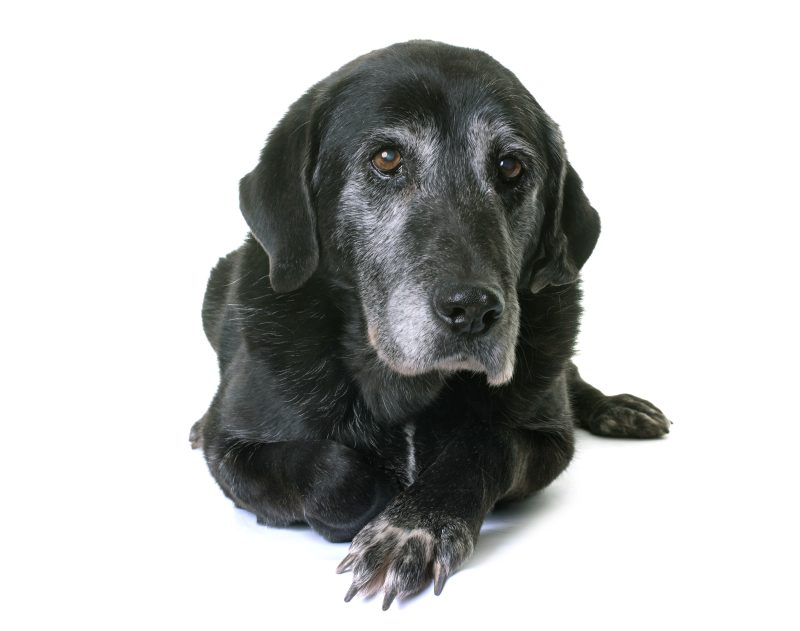
Older Dogs – As dogs age, their bodies become less efficient at regulating temperature. Older dogs often have reduced circulation, slower metabolism, and less energy to cope with heat, making them more vulnerable to heat stroke. Additionally, older dogs may have weakened immune systems, which can affect their ability to recover from overheating. It’s important to monitor older dogs closely during hot weather, limit physical exertion, and ensure they have access to plenty of fresh water and cool, shaded areas. Keep them indoors during the hottest parts of the day and avoid long walks or strenuous activities in the heat.
Overweight Dogs- Obesity is another key factor that increases the risk of heat stroke. Overweight dogs have a harder time regulating body temperature because excess fat acts as insulation, preventing heat from dissipating efficiently. As a result, they can overheat more quickly than leaner dogs. Overweight dogs are also more likely to suffer from joint issues, making it more difficult for them to exercise in cooler conditions, let alone in hot weather. If your dog is overweight, it’s important to work with your vet to develop a safe weight loss plan and adjust their exercise routine to ensure they stay healthy and cool during warmer months.
Dogs with Pre-Existing Health Conditions – Dogs with pre-existing health conditions, such as heart disease, respiratory issues, or kidney problems, are at a significantly higher risk for heat stroke. Conditions that affect breathing or circulation, like brachycephalic syndrome in flat-faced breeds (e.g., Bulldogs, Pugs), make it harder for these dogs to cool down efficiently. Dogs with heart disease may struggle to regulate blood flow, while those with respiratory issues have trouble breathing, which worsens their ability to handle heat. If your dog has a chronic health issue, it’s important to consult with your veterinarian for specific advice on how to protect them from the heat.
Older dogs, overweight dogs, and those with pre-existing health conditions face a higher risk of heat stroke. By being proactive—monitoring your dog’s health, adjusting their exercise routine, and providing extra care during hot weather—you can help reduce the risk and keep your dog comfortable and safe during summer months. Always consult your vet if you have concerns, especially for dogs with underlying health problems.
Can Heat Stroke Reduce The Life Of Your Dog?
Yes, experiencing heatstroke or heat-related symptoms can potentially reduce a dog’s lifespan and overall health. Here’s how, heat stroke-like symptoms in dogs, if left untreated or recurrent, can potentially reduce their lifespan. When a dog experiences heat stroke or excessive overheating, their body temperature rises to dangerous levels, which can cause severe organ damage, dehydration, and respiratory distress. Prolonged or repeated episodes of heatstroke can lead to permanent damage to organs like the brain, heart, and kidneys, potentially shortening your dog’s life expectancy.
Even if a dog recovers from heat stroke, the stress on their system can have lasting effects. Dogs with a history of heat-related illnesses may develop chronic health issues such as weakened cardiovascular function, impaired kidney function, and neurological problems. Over time, this cumulative damage can negatively impact their quality of life.
As a pet owner, it’s essential to prevent heat stroke by providing a cool environment, access to water, and avoiding excessive physical exertion during hot weather. Knowing the symptoms of heat stroke—such as excessive panting, drooling, lethargy, and vomiting—can help you respond quickly to prevent severe damage. If your dog shows any signs of overheating, seek veterinary attention immediately. By taking proactive steps to manage your dog’s temperature, you can help protect their long-term health and increase their chances of a longer, healthier life.
Conclusion
In conclusion, yes, certain dog breeds are more susceptible to heat stroke than others, with brachycephalic breeds (short-nosed dogs) and heavy-coated breeds being the most at risk. Brachycephalic dogs, such as Bulldogs, Pugs, and Shih Tzus, have flattened faces that make it harder for them to breathe and regulate body temperature, especially in hot or humid conditions. This breed’s compromised airway structure limits their ability to pant efficiently, making them prone to overheating. On the other hand, heavy-coated breeds like Huskies, Malamutes, and Saint Bernards, while designed to thrive in cold climates, also face challenges in warmer environments due to their thick fur, which traps heat and impedes the cooling process.
Aside from breed, older dogs, overweight dogs, and dogs with pre-existing health conditions are also at higher risk for heat stroke. Aging dogs often have reduced circulation and a slower metabolism, which affects their ability to regulate temperature. Overweight dogs struggle to cool down effectively due to the insulation provided by excess fat, and those with heart, respiratory, or kidney issues may find it harder to handle extreme temperatures. As a result, they are more vulnerable to heat-related illnesses.
Heat stroke is a serious condition that can cause permanent damage to a dog’s organs, such as the heart, brain, and kidneys, potentially shortening their lifespan. Even if a dog recovers from heat stroke, repeated episodes or untreated overheating can lead to long-term health problems, such as chronic heart disease or kidney failure. These long-lasting effects can significantly impact your dog’s overall quality of life and longevity.
As responsible pet owners, it’s essential to understand the risks and take preventive measures to protect our dogs from heat stroke. By being mindful of the specific needs of brachycephalic or heavy-coated breeds, and ensuring that older, overweight, or sick dogs are kept cool and comfortable, we can reduce the risk of heat stroke and improve our pets’ health and longevity. Always provide shade, access to fresh water, and avoid intense exercise during hot weather. Monitoring your dog’s health and responding promptly to any signs of overheating can ensure a longer, healthier life for your furry companion.