
Picture this: a sunny day, the car windows rolled down, and your furry friend blissfully hanging their head out of the window, tongue flapping in the wind. It’s a scene that many dog owners adore—an image of pure joy and freedom. But while it may look like fun on the outside, have you ever stopped to consider what really lies beneath that carefree facade? Is it safe for dogs to stick their heads out the window? The truth might surprise you.
As much as our pups love feeling that rush of fresh air on their faces, there are significant risks associated with letting them ride with their heads out. From potential injuries caused by debris flying through the air to the dangers posed by sudden movements or accidents, understanding these risks is crucial for every pet owner. So before your four-legged companion enjoys another breezy ride, let’s delve into why keeping those windows up might be one of the best things you can do for their safety and well-being during car travel.
The Allure of the Open Window: Why Dogs Love It

The thrill of wind rushing through their fur makes dogs giddy with excitement. There’s something about the open window that speaks to their adventurous spirit, igniting a sense of freedom.
As they lean out, tongues lolling and ears flapping, it’s clear they’re in pure bliss. The world becomes a sensory playground filled with new scents and sights just waiting to be explored.
For many dogs, this experience is akin to catching the breeze on a sunny day at the park. It taps into their primal instincts—the urge to roam and discover beyond familiar boundaries.
However enticing these moments may seem, it’s essential for pet owners to recognize the hidden dangers lurking behind this seemingly innocent joyride. What feels like freedom can quickly turn problematic if safety isn’t prioritized.
Is It Safe? Debunking the Myth of Harmless Fun
Many pet owners believe that letting their dog stick its head out the window is a harmless thrill. It’s an image often portrayed in movies and commercials, where dogs seem euphoric with their tongues flapping in the wind. However, this perception masks serious risks.
While your furry friend may enjoy the fresh air, they’re also exposed to potential dangers. Debris from passing cars can cause painful injuries to eyes or ears. A sudden gust of wind could even dislodge small particles straight into their sensitive systems.
Pet safety isn’t just about fun; it’s about protection too. The reality is that what seems like innocent joy can lead to severe health issues for your pup. Understanding these risks is essential for any responsible dog owner who wants to ensure safe car travel for their canine companion.
The Cooling Myth: Window vs. Air Conditioning – Which is Safer?
Many dog owners believe that letting their furry friends hang their heads out the window keeps them cool during hot days. This notion, however, can be misleading.
Air conditioning in your vehicle provides a controlled environment for dogs. It maintains a stable temperature and protects them from potential heat exhaustion. Relying solely on open windows exposes pets to outdoor temperatures that can fluctuate drastically.
Also, while it may seem refreshing for dogs to feel the breeze, this exposure could lead to other health risks like ear injuries or debris flying into their eyes.
Choosing air conditioning ensures a comfortable ride without additional hazards. Keeping your pet safe should always take precedence over fleeting moments of perceived enjoyment from an open window atmosphere.
Invisible Dangers: Potential Injuries from Debris and Impacts
When dogs hang their heads out of car windows, they’re exposed to a world of hazards. One significant risk is flying debris. Small stones, twigs, or even road trash can strike your pet’s face at high speeds.
Imagine the impact of a pebble hitting an eye. Dog eye injuries from car windows can lead to serious complications if left untreated. It’s not just about discomfort; it could require veterinary intervention and medication.
Then there are larger objects that may come into play—think branches or loose items on the road. A sudden gust might send these straight toward your dog’s head, potentially causing injury.
Additionally, let’s consider the risk posed by other vehicles. If another driver swerves unexpectedly or brakes suddenly near you, your dog is at risk for more than just minor scrapes—they could sustain severe impacts while leaning out that window.
The Numbers Don’t Lie: Statistics on Dog Injuries from Open Car Windows
Statistics reveal a concerning trend regarding dogs and open car windows. Research shows that approximately 30,000 pets are injured in automobile accidents each year in the United States alone.
Among these incidents, many involve dogs hanging their heads out of moving vehicles. The risk increases significantly at higher speeds, where even small objects can cause serious harm.
One study noted that more than half of dog owners admit to allowing their pets to stick their heads out the window during travel. This carefree habit could lead to devastating consequences.
Eye injuries are particularly common; debris or wind can easily damage delicate tissues. Furthermore, ear injuries from excessive air pressure may go unnoticed until it’s too late.
Understanding these statistics emphasizes the urgent need for safer practices when traveling with our furry companions. Awareness is essential for preventing avoidable injuries on the road.
Beyond Debris: The Risk of Falling or Jumping Out
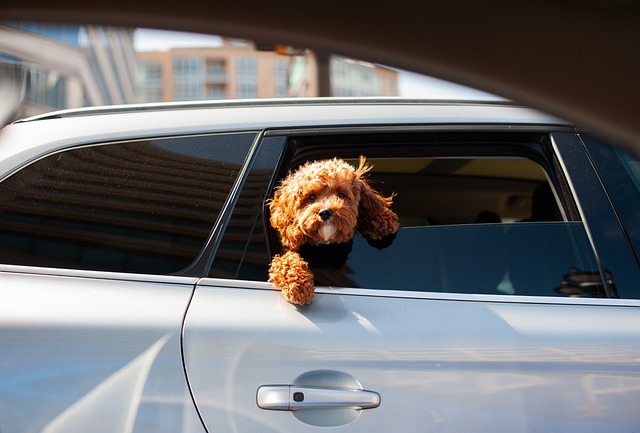
When dogs hang their heads out of car windows, they experience a thrilling rush. However, this excitement can lead to severe consequences.
Imagine your dog suddenly spotting something interesting on the sidewalk. In an instant, they might leap from the window in pursuit. The risk of jumping or falling is real and alarming.
Even if you’re cruising at low speeds, that momentary distraction can turn dangerous. A small dog’s impulsive action could result in serious injuries or worse.
Additionally, even well-trained dogs may not always respond predictably when tempted by sights and sounds outside the vehicle. Their instinctual reactions can be hard to control.
Keeping your furry friend secured inside is essential for their safety during car travel. Taking proactive measures not only protects them but also ensures peace of mind for everyone involved.
Restraint is Key: The Importance of Dog Car Harnesses and Crates
When it comes to dog car safety, restraint is non-negotiable. A secure harness or crate can make all the difference in an emergency situation. Dogs that roam freely within a vehicle are not only at risk of injury but can also distract drivers.
Car harnesses designed specifically for dogs often attach to seat belts, providing stability and protection during sudden stops or sharp turns. These products come in various sizes, ensuring every pup has a snug fit.
Crates serve as an excellent alternative for larger breeds. They create a designated space where your furry friend feels safe while minimizing movement inside the car. Properly secured crates prevent your pet from becoming a projectile if you brake suddenly.
Investing in quality restraints enhances both comfort and security on those thrilling road trips. Keeping your canine companion tethered allows everyone—including them—to enjoy the ride without unnecessary risks.
Harness Recommendations: What to Look for in a Safe Dog Car Harness
When selecting a dog car harness, prioritize safety and comfort. Look for designs that distribute pressure evenly across your dog’s body to minimize injury during sudden stops.
Choose materials that are durable yet soft. A padded harness can prevent chafing and ensure long journeys remain comfortable for your furry friend.
Check the harness’s attachment points. A secure clip is essential, especially if it attaches directly to the seat belt system, reducing movement in case of an accident.
Adjustability matters too. Opt for models with multiple adjustment points so you can achieve a snug fit tailored to your dog’s size and shape without compromising their mobility.
Lastly, consider ease of use. Quick-release buckles make getting in and out easier while keeping your pet securely fastened when you’re on the road.
Legal Implications: Is It Illegal to Let Your Dog Hang Its Head Out the Window?
The legal landscape surrounding dogs hanging their heads out of car windows varies widely by location. Some states have specific laws prohibiting this practice, viewing it as a distraction for the driver.
In certain areas, allowing your dog to stick its head out could lead to fines. Local regulations may categorize it under reckless driving or unsafe animal restraint laws.
Even in places without strict rules, you might face liability if an accident occurs due to your dog’s actions. If they jump out or cause a distraction, you could be held responsible for damages.
It’s essential to check local ordinances before letting your furry friend enjoy that breeze. Ignorance of the law doesn’t exempt anyone from consequences when safety is at stake.
Safe Car Travel Tips: Ensuring Your Dog’s Comfort and Well-Being
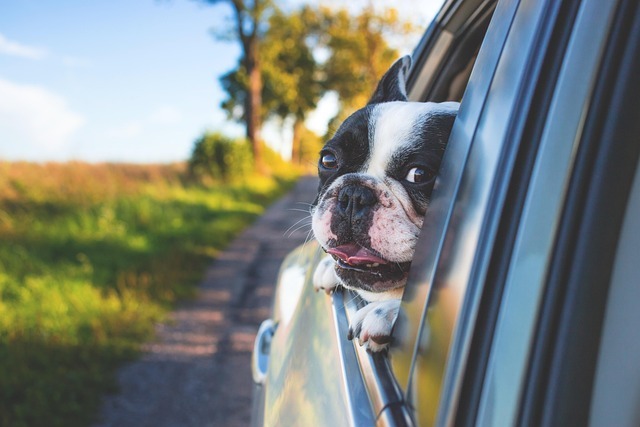
Making car travel enjoyable for your dog starts with their comfort. Use a well-padded dog car seat or crate to provide a cozy space. This not only keeps them secure but also minimizes anxiety during the ride.
Always have water on hand, especially for longer trips. Hydration is essential to keep your furry friend feeling fresh and ready to explore once you reach your destination.
Plan regular breaks along the way. Stopping every couple of hours allows your dog to stretch, relieve themselves, and sniff around—an important part of their adventure!
Consider familiar items like blankets or toys that smell like home. These can help create a soothing environment in unfamiliar settings.
Lastly, never leave your dog unattended in a parked vehicle; temperatures can rise dangerously fast, putting their health at risk. Keeping these tips in mind will make every journey safer and more enjoyable for both of you.
When to Seek Veterinary Care: Recognizing Signs of Injury
When a dog enjoys the wind in its fur, it can quickly turn into a risky situation. Recognizing signs of injury is crucial for your furry companion’s health.
Watch for any unusual behavior after a car ride. If your dog seems lethargic or refuses to play, something may be wrong. Signs of discomfort could include whimpering or excessive panting.
Pay attention to their eyes and ears as well. If you notice squinting or pawing at the face, debris might have caused irritation. Ear injuries from flapping too hard against the rush of air are also possible.
Keep an eye on mobility issues such as limping or reluctance to jump up and down from surfaces. These symptoms might indicate more serious underlying problems.
If you observe any concerning changes in appetite or drinking habits post-ride, don’t hesitate to contact your veterinarian for advice. Your dog’s well-being should always be a priority.
The Verdict: Prioritizing Your Dog’s Safety Over Fleeting Joy
When it comes to our furry companions, their safety should always take precedence over fleeting moments of excitement. The image of a dog with its head out the window might seem like an adorable sight, but the associated risks cannot be ignored. Dogs are susceptible to serious injuries from flying debris, sudden impacts, and even falls if they get too carried away.
The truth is that there are safer alternatives for car travel that ensure your dog’s comfort and well-being without sacrificing fun. Using a proper dog car harness or crate can significantly reduce the risk of injury while still allowing your pet to enjoy the ride in a controlled manner. It’s essential to recognize that both visual and auditory stimuli during travel can overwhelm dogs; hence ensuring they remain secure helps manage these factors effectively.
Legal considerations surrounding dogs in cars vary by region, adding another layer to why restraint is vital. Not only does it protect your pet from harm, but it also keeps you compliant with local laws regarding animal transportation.
So next time you’re gearing up for a drive with your canine friend, think about how you can prioritize their safety above all else. Make informed choices on how best to transport them—after all, true happiness derives from knowing our pets are protected as we explore together on life’s journeys.