Hot Paws, Happy Hounds: Your Ultimate Guide to Summer Paw Protection & Burn Treatment for Dogs
Summer in Australia, with its glorious sunshine and inviting warmth, beckons us outdoors. We eagerly slip on our sandals, ready to embrace the season. But have you ever considered the delicate skin on your dog’s paws as they navigate the scorching surfaces of our summer days? Just like our bare feet on hot asphalt, their paw pads are susceptible to burns and significant discomfort.
Our beloved canine companions rely on us to keep them safe, and this extends to protecting their sensitive paws from the harsh realities of summer heat. This comprehensive guide will delve into the crucial aspects of paw protection for dogs during the warmer months, providing you with practical tips to prevent painful burns, recognize the signs of overheating, and administer effective first aid if the unthinkable happens. Let’s ensure our furry friends can enjoy the summer fun without the risk of debilitating paw injuries.
Understanding the Vulnerability: Why Hot Surfaces Pose a Threat
A dog’s paw pads are marvels of natural engineering. They provide traction, cushioning, and insulation against various terrains. However, they are not impervious to extreme temperatures. The top layer of the paw pad is made of toughened skin, but prolonged contact with hot surfaces can overwhelm this natural defense.
Think of it like leaving your hand on a hot frying pan – the initial contact might be tolerable, but the longer you hold it there, the more severe the burn becomes. The same principle applies to our dogs’ paws. Surfaces like asphalt, concrete, metal, and even some types of artificial grass can absorb and retain immense heat under the summer sun, reaching temperatures high enough to cause first, second, and even third-degree burns within minutes.
Unlike us, dogs don’t always have the foresight or ability to avoid these hazards. Their excitement to explore, their loyalty to stay by our side, or simply their lack of understanding of the danger can lead them onto surfaces that are dangerously hot. This is where our vigilance and proactive protection come into play.
Prevention is Paramount: Keeping Paws Safe from the Scorching Ground
The best way to treat paw burns is to prevent them from happening in the first place. Here are several effective strategies to safeguard your dog’s paws during the summer months:
1. The “Seven-Second Rule”: Your First Line of Defense
Before allowing your dog to walk on any surface that has been exposed to direct sunlight, perform the “seven-second rule” test. Place the back of your hand or your bare foot on the surface for seven seconds. If it feels uncomfortably hot for you to keep it there, it’s definitely too hot for your dog’s paws. This simple test can save your furry friend from significant pain.
2. Time Your Walks Wisely: Embrace the Cooler Hours
The hottest part of the day is typically between 10 am and 4 pm. Whenever possible, schedule your dog walks for the cooler hours of the early morning or late evening. The pavement and other surfaces will have had a chance to cool down, significantly reducing the risk of burns.
Read our article on How to know if is too hot to walk my dog?
3. Seek Out Softer Ground: Choose Your Paths Carefully
When walking your dog, consciously choose grassy areas, shaded paths, or dirt trails whenever possible. These surfaces absorb less heat and are much gentler on their paws. Even a short stretch of hot asphalt can cause damage, so be mindful of the entire duration of your walk.
4. Invest in Protective Paw Wear: Boots and Balms

- Dog Boots: High-quality dog boots can provide a reliable barrier between your dog’s paws and hot surfaces. Look for breathable, well-fitting boots with durable soles that offer good traction. Introduce boots gradually and positively, using treats and praise to help your dog get accustomed to wearing them. Ensure the boots don’t rub or cause irritation.
- Paw Balms: Paw balms are topical treatments designed to moisturize and protect paw pads. They often contain natural waxes and oils that create a protective barrier against heat, cold, and rough surfaces. Apply paw balm before walks and after spending time outdoors. Look for balms made with natural ingredients like beeswax, shea butter, and vitamin E.
5. Consider Surface Temperatures at Home:
Even within your own property, be mindful of surface temperatures. Decks, patios, and artificial grass can become surprisingly hot in direct sunlight. Provide shaded areas where your dog can walk and rest, and consider using outdoor rugs or cooling mats in high-traffic areas.
6. Hydration is Key:
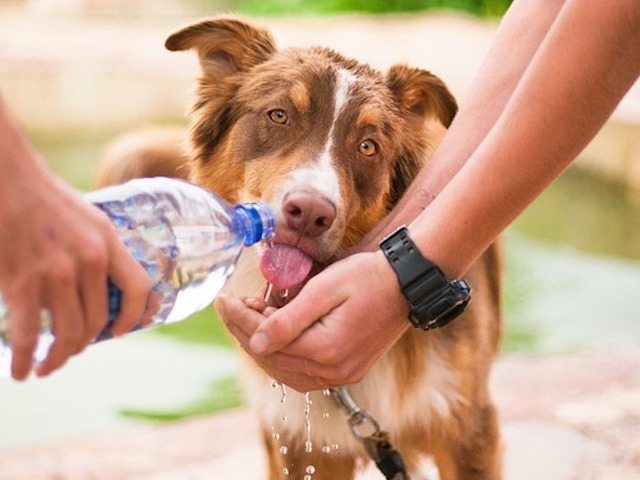
While not directly preventing burns, ensuring your dog is well-hydrated helps their body regulate temperature more effectively, which can indirectly reduce the risk of heat-related issues, including paw discomfort. Always provide access to fresh, cool water, especially before, during, and after outdoor activities.
Recognizing the Warning Signs: When It’s Too Hot for Paws (and More)
Being able to recognize the signs that the ground is too hot for your dog’s paws is crucial for preventing burns. Additionally, understanding the signs of overheating in general is vital for their overall summer safety.
Signs the Ground is Too Hot for Paws:

- Lifting or Holding Up Paws: Your dog may lift one or more paws off the ground frequently while walking, trying to reduce contact with the hot surface.
- Limping or Favoring a Paw: They might start limping or putting less weight on one or more paws.
- Excessive Licking or Chewing at Paws: This can be a sign of pain or discomfort.
- Reluctance to Walk: Your dog may suddenly become hesitant to continue the walk or try to pull you towards cooler surfaces.
- Darker Than Usual Paw Pads: In some cases, the paw pads may appear darker or redder than normal due to increased blood flow and potential inflammation.
Signs of Overheating (Heatstroke): A Medical Emergency
While paw burns are a localized issue, overheating (heatstroke) is a systemic and potentially life-threatening condition. It’s essential to recognize the signs and act quickly:
- Excessive Panting: Rapid and heavy panting, often with a wide-open mouth and a thick tongue.
- Drooling: Excessive and thick saliva.
- Lethargy or Weakness: Appearing tired, unsteady, or unwilling to move.
- Increased Heart Rate: Rapid and strong heartbeat.
- Elevated Body Temperature: Significantly higher than their normal temperature (typically 101-102.5°F or 38.3-39.2°C).
- Bright Red or Bluish Gums and Tongue: Indicating poor circulation and oxygenation.
- Vomiting or Diarrhea: Can occur as the body struggles to cope with the heat.
- Seizures or Collapse: In severe cases, heatstroke can lead to neurological dysfunction.
If you suspect your dog is experiencing heatstroke, it is a medical emergency. Seek immediate veterinary attention. While waiting for help, move your dog to a cool, shaded area, offer small amounts of cool (not ice-cold) water, and apply cool, wet towels to their body, especially the groin, neck, and armpits. Do not use ice water, as this can cause blood vessels to constrict.
Treating Paw Burns: First Aid and Veterinary Care
Despite our best efforts, paw burns can still occur. Knowing how to administer first aid and when to seek professional veterinary help is crucial.
First Aid for Minor Paw Burns:
If you suspect your dog has a mild paw burn (redness, slight tenderness):
- Remove Your Dog from the Hot Surface Immediately: Get them to a cool, shaded area or indoors.
- Cool the Affected Paw: Gently flush the burned paw with cool (not ice-cold) water for 10-15 minutes. You can also use a cool, wet compress.
- Inspect the Paw: Look for blisters, open wounds, or debris. Do not attempt to pop blisters.
- Apply a Soothing Ointment: A thin layer of antibiotic ointment or a paw-specific burn cream can help prevent infection and promote healing. Consult your veterinarian for recommendations.
- Protect the Paw: If possible, loosely bandage the paw with a breathable dressing to prevent further irritation and contamination. Change the bandage regularly, keeping the area clean and dry.
- Restrict Activity: Prevent your dog from running or walking excessively until the paw has healed. Stick to short, gentle walks on soft surfaces.
- Monitor for Signs of Infection: Watch for redness, swelling, pus, or increased pain, which could indicate an infection requiring veterinary attention.
When to Seek Veterinary Care for Paw Burns:
It’s essential to consult your veterinarian if your dog exhibits any of the following signs after a potential paw burn:
- Severe Blisters or Open Wounds: These require professional cleaning and treatment to prevent infection.
- Deep Burns Affecting Multiple Layers of Skin: These may require pain management, antibiotics, and specialized wound care.
- Significant Pain or Lameness: If your dog is unwilling to put weight on the affected paw or shows signs of intense pain.
- Signs of Infection: Redness spreading from the wound, swelling, pus, or fever.
- Burns Covering a Large Area of the Paw: These can be more serious and require professional assessment.
- If You Are Unsure About the Severity of the Burn: It’s always best to err on the side of caution and seek professional advice.
Your veterinarian will be able to assess the severity of the burn, provide appropriate pain relief, clean and dress the wound properly, prescribe antibiotics if necessary, and give you specific instructions for at-home care.
Long-Term Care and Prevention:
Even after a paw burn has healed, the affected skin may be more sensitive for a while. Continue to take precautions to protect your dog’s paws, especially during hot weather. Regularly inspect their paw pads for any signs of irritation or damage.
Making paw protection a routine part of your summer dog care will ensure your furry companion can enjoy all the joys of the season safely and comfortably. By understanding the risks, implementing preventative measures, recognizing the signs of trouble, and knowing how to respond, we can be the best advocates for our dogs’ well-being, allowing them to have happy and healthy summer adventures right here in beautiful Australia. Remember, hot paws are unhappy paws – let’s keep them cool and protected!