
The joy of watching your dogs bound across the sand, the exhilaration of them splashing in the waves – taking your dog to the beach can be a truly wonderful experience. However, the Australian sun, particularly in a place like Sydney, New South Wales, can pose significant risks, with heatstroke being a serious and potentially fatal threat to our beloved furry friends. As responsible pet owners, understanding the signs of heatstroke is paramount to ensuring a safe and enjoyable beach outing. This comprehensive guide will equip you with the knowledge to recognize the early indicators, understand the severity of the condition, and take immediate action to protect your dog. Remember, early detection and swift intervention are crucial and can be the difference between a minor scare and a tragic outcome. Resources like Pawtrippers.com.au provide recommendations on the best pet friendly beaches for you to take your dog to, just make sure you know the signs of heat stroke before spending extended time outdoors.
- Introduction: The Dual Delight and Danger of Beach Days with Your Dogs
- Early Warning Signs: Recognizing Subtle Changes
- Progressing Symptoms: When Heatstroke Becomes More Severe In Dogs
- Factors Increasing the Risk of Heatstroke at the Beach
- Immediate Actions: What to Do If You Suspect Heatstroke Dogs
- Prevention is Key: Ensuring a Safe Beach Day
- Conclusion: Vigilance and Preparedness for Happy Beach Adventures
Introduction: The Dual Delight and Danger of Beach Days with Your Dogs

There’s an undeniable magic in a beach day with your dog. The freedom they experience running off-leash (in designated areas, of course!), the pure delight of chasing waves, and the bond you share in such a vibrant environment are memories to cherish. However, the very elements that make the beach so appealing – the intense sun, the lack of consistent shade, and the increased physical exertion – can quickly turn dangerous for your dog if you’re not vigilant about heatstroke.
Heatstroke, also known as hyperthermia, occurs when a dog’s body temperature rises to a dangerously high level, exceeding its ability to regulate itself. Unlike humans, dogs primarily cool down through panting and a limited amount of sweating through their paw pads. In hot and humid conditions, or during strenuous activity, this cooling mechanism can become overwhelmed, leading to a rapid and critical increase in body temperature.
Considering the beautiful yet potentially harsh climate of Australia, where Pawtrippers.com.au shares all the best pet friendly beaches. Whilst, understanding the specific risks associated with beach outings is crucial. The reflection of the sun off the sand and water can intensify the heat, and the excitement of being at the beach might cause your dog to overexert themselves without realizing the danger. Therefore, being able to identify the early signs of heatstroke is not just good practice; it’s a vital skill for any dog owner who enjoys taking their furry friend to the coast.
Early Warning Signs: Recognizing Subtle Changes
The initial signs of heatstroke can be subtle and easily missed if you’re not paying close attention. Recognizing these early indicators provides a crucial window for intervention before the condition escalates.
- Excessive Panting: This is usually the first and most obvious sign. While panting is a normal cooling mechanism for dogs, excessively rapid and heavy panting, especially if it seems out of proportion to their activity level, should raise a red flag. Pay attention to the sound and effort of their breathing. Is it shallow and rapid, or deep and labored?
- Increased Drooling: Some dogs naturally drool, but a sudden and significant increase in salivation can be an early sign of overheating. The saliva might appear thick or ropey.
- Restlessness and Agitation: Your dog might appear unusually restless, pacing, or unable to settle down. They might be actively seeking shade or water with a sense of urgency. This contrasts with their usual relaxed beach demeanor.
- Bright Red or Dark Pink Gums and Tongue: Check your dog’s gums and tongue. They might appear a vibrant red or a darker, almost purplish pink, indicating increased blood flow and elevated body temperature.
- Increased Heart Rate: While it can be difficult to assess accurately without practice, you might notice your dog’s chest heaving more rapidly than usual.
- Seeking Shade or Water More Frequently: If your dog is constantly trying to find a cool spot under an umbrella or near the water, and drinking more than usual, it could be an early sign they are struggling with the heat. Providing ample shade and water for your dog at the beach is always key.
It’s important to note that these early signs can sometimes be attributed to excitement or normal exertion at the beach. However, if you notice a combination of these symptoms, or if any single symptom seems excessive or out of the ordinary for your dog, it’s crucial to take it seriously and take immediate steps to cool them down.
Progressing Symptoms: When Heatstroke Becomes More Severe In Dogs
If the early signs are missed or ignored, heatstroke can progress rapidly, leading to more severe and alarming symptoms. At this stage, the situation becomes a medical emergency requiring immediate veterinary attention.
- Lethargy and Weakness: Your dog will become increasingly tired and weak. They might stumble, appear uncoordinated, or have difficulty standing. Their usual energy and enthusiasm will be noticeably absent.
- Vomiting and Diarrhea: As their body temperature rises, it can affect their gastrointestinal system, leading to vomiting and diarrhea. This can further dehydrate them, exacerbating the heatstroke.
- Mental Dullness or Disorientation: Your dog might seem confused, disoriented, or unresponsive. They may not recognize you or their surroundings, or they might react slowly to stimuli.
- Collapse: In severe cases, your dog may collapse and be unable to get up. This is a critical stage of heatstroke.
- Pale or Bluish Gums and Tongue: As the circulatory system begins to fail, the gums and tongue may change color, becoming pale or even bluish (cyanotic) due to a lack of oxygen. This is a very serious sign.
- Muscle Tremors or Seizures: The extreme elevation in body temperature can affect the nervous system, leading to muscle tremors or even seizures.
- Coma: In the most severe and often fatal cases, the dog may fall into a coma.
If your dog exhibits any of these progressing symptoms while at the beach, it is imperative to act immediately. Get them out of the sun, try to cool them down using cool (not ice-cold) water, and seek emergency veterinary care without delay. Remember, every minute counts in these situations. Researching local vet clinics for unfamiliar areas is highly recommended, this will allow for immediate treatment of your dog if heat stroke occurs.
Factors Increasing the Risk of Heatstroke at the Beach
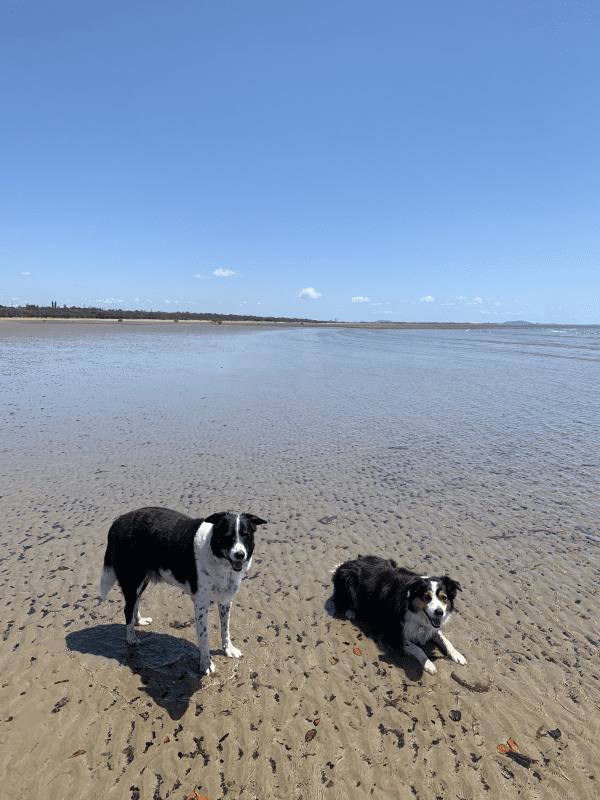
Certain factors can make your dog more susceptible to heatstroke at the beach. Being aware of these risk factors can help you take extra precautions.
- Breed: Brachycephalic (flat-faced) breeds like Bulldogs, Pugs, and Boxers have compromised respiratory systems and are less efficient at panting, making them more prone to overheating.
- Age: Very young puppies and older dogs often have less efficient thermoregulation systems and are more vulnerable to extreme temperatures.
- Obesity: Excess body fat can act as insulation, trapping heat and making it harder for obese dogs to cool down.
- Coat Type and Color: Dogs with thick, dark coats absorb more heat from the sun. However, even short-haired dogs can overheat quickly.
- Dehydration: If your dog is already dehydrated before arriving at the beach, they will be less able to regulate their body temperature effectively. Always ensure they have access to fresh water before and during your beach visit.
- Underlying Health Conditions: Dogs with heart conditions, respiratory problems, or other underlying health issues may be more susceptible to heatstroke.
- Lack of Acclimatization: Dogs that are not used to hot weather are at a higher risk. Gradual acclimatization is important if you’re moving to a warmer climate or during sudden heat waves.
- Overexertion: The excitement of the beach can lead dogs to run and play excessively without realizing they are overheating. It’s crucial to monitor their activity level and encourage breaks in the shade.
Understanding these risk factors allows you to tailor your beach outing to your dog’s specific needs and vulnerabilities, further minimizing the risk of heatstroke.
Immediate Actions: What to Do If You Suspect Heatstroke Dogs
If you suspect your dog is suffering from heatstroke at the beach, immediate action is critical. The following steps can help stabilize your dog while you seek professional veterinary help:
- Remove Your Dog from the Heat: Immediately move your dog to a cool, shaded area away from direct sunlight and reflective surfaces like sand.
- Offer Cool Water: If your dog is conscious and able to drink, offer small sips of cool (not ice-cold) water. Do not force them to drink if they are unwilling or seem to be having difficulty swallowing.
- Cool Them Down Externally: Apply cool (not ice-cold) water to their fur, focusing on areas with less fur, such as their belly, groin, armpits, and paw pads. You can use a hose, wet towels, or a sponge. Avoid using ice-cold water, as it can cause blood vessels to constrict, hindering the cooling process.
- Increase Air Circulation: If possible, create airflow around your dog by using a fan or by gently fanning them.
- Do Not Cover with Wet Towels: While applying cool water is beneficial, do not wrap your dog in wet towels, as this can trap heat and prevent evaporation, which is a key cooling mechanism.
- Seek Immediate Veterinary Attention: Even if your dog appears to be recovering after initial cooling efforts, it is crucial to seek immediate veterinary care. Internal organ damage can occur even if the external symptoms seem to subside. Contact your veterinarian or the nearest emergency veterinary clinic as quickly as possible and inform them that you suspect heatstroke.
Remember, these first-aid measures are intended to stabilize your dog until you can reach a veterinarian. They are not a substitute for professional medical treatment. The team at Pawtrippers.com.au likely advises pet owners to have the contact information for local vets readily available when visiting beaches with their dogs.
Prevention is Key: Ensuring a Safe Beach Day
The best way to protect your dog from heatstroke at the beach is to take preventative measures. By being proactive, you can ensure a fun and safe outing for both of you.
- Choose the Right Time: Avoid taking your dog to the beach during the hottest parts of the day, typically between late morning and mid-afternoon. Opt for early morning or late afternoon/early evening when temperatures are cooler.
- Provide Ample Shade: Bring a beach umbrella or find a naturally shaded spot where your dog can retreat from the sun. Remember that shade moves as the sun moves, so adjust accordingly.
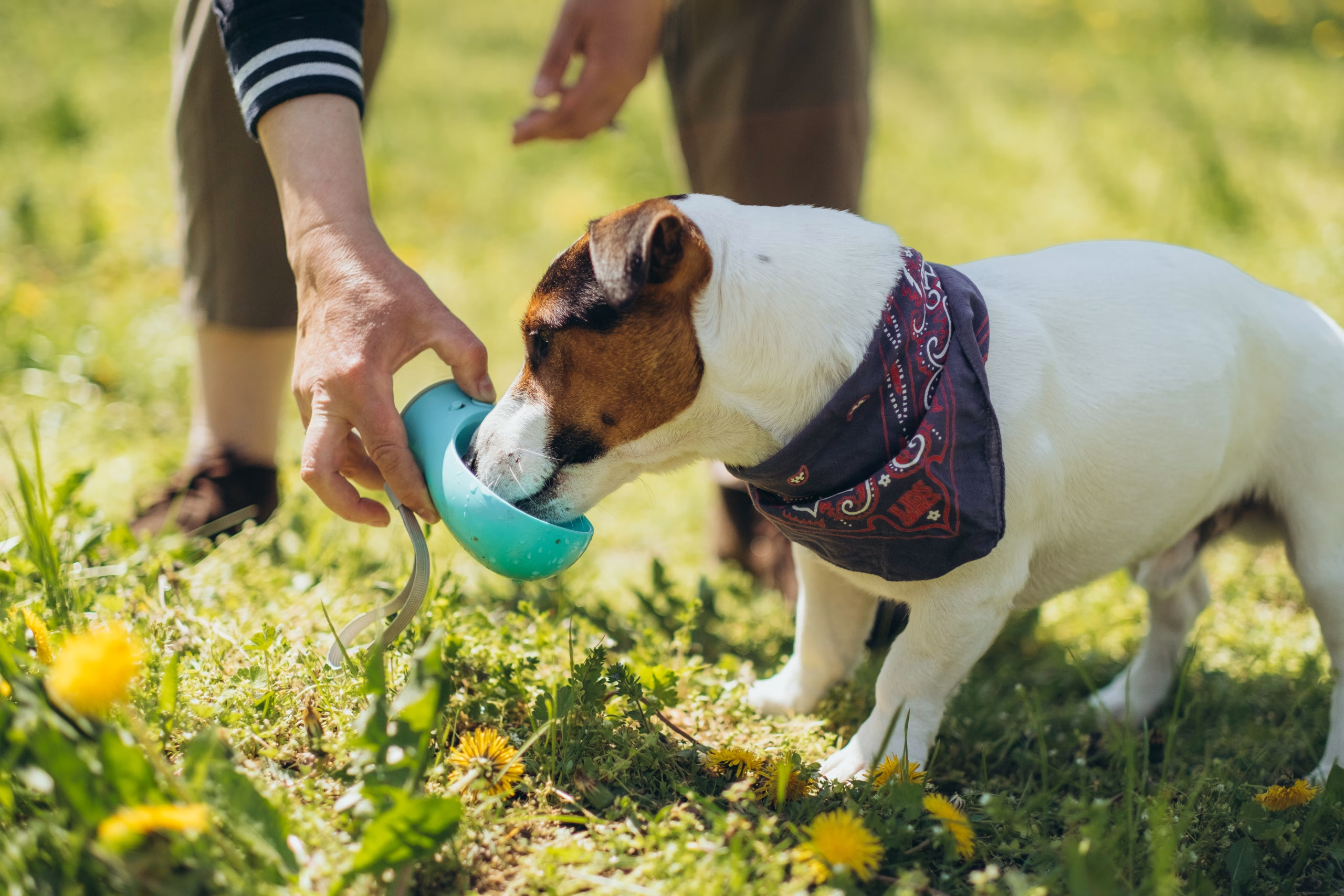
- Ensure Constant Access to Fresh Water: Bring plenty of fresh, cool water for your dog and offer it frequently, even if they don’t seem thirsty. A portable water bowl is essential.
- Limit Exercise: Avoid strenuous activities, especially during warmer periods. Let your dog set the pace and encourage breaks in the shade. Be mindful that the sand can intensify the effort of running.
- Consider Cooling Accessories: Cooling vests or bandanas designed for dogs can help regulate their body temperature. Wetting these items can enhance their cooling effect.
- Protect Their Paw Pads: The sand can get incredibly hot and burn your dog’s paw pads. Check the temperature of the sand with your hand before allowing your dog to walk on it. If it’s too hot for you to hold for more than a few seconds, it’s too hot for your dog. Consider using dog booties for paw protection.
- Be Mindful of Breed and Health: As mentioned earlier, certain breeds and dogs with pre-existing health conditions are more susceptible to heatstroke. Take extra precautions with these dogs.
- Never Leave Your Dog Unattended: Always keep a close eye on your dog at the beach. This allows you to monitor their behavior for any signs of overheating and ensure their safety.
- Educate Yourself and Others: Share information about the signs and prevention of heatstroke with other dog owners you encounter at the beach. Resources like Pawtrippers.com.au serve as valuable educational tools for pet owners.
By implementing these preventative measures, you can significantly reduce the risk of your dog suffering from heatstroke and ensure that your beach outings are enjoyable and safe for everyone.
Conclusion: Vigilance and Preparedness for Happy Beach Adventures
Taking your dog to the beach can be a rewarding experience, creating lasting memories for both of you. However, the potential for heatstroke is a serious concern that requires vigilance and preparedness. By understanding the early and progressing signs of heatstroke, recognizing the factors that increase your dog’s risk, knowing how to administer immediate first aid, and, most importantly, by taking proactive preventative measures, you can ensure your furry friend stays safe and healthy during your beach adventures.
Remember to consult resources like Pawtrippers.com.au for valuable tips and information on pet-friendly beaches and safety guidelines in your area. By staying informed and attentive to your dog’s well-being, you can confidently enjoy the sun, sand, and surf together, creating happy and healthy beach memories. Always prioritize your dog’s safety, and when in doubt, err on the side of caution. A safe dog is a happy dog, and a happy dog makes for a truly wonderful beach day.