
Camping with your furry friend can be a wonderful experience, creating lifelong memories. However, it requires careful planning and preparation to ensure a safe and enjoyable trip for both you and your pet.
Dog-friendly camping is not just about throwing a tent and some food into your car; it’s about understanding the needs of your pet and the wilderness you’ll be venturing into.
As you prepare for your pet-friendly camping adventure, it’s crucial to consider the essential gear, safety tips, and basic wilderness first-aid. This guide will walk you through the must-haves and must-knows for a successful camping trip with your companion.
Key Takeaways
- Essential gear for dog-friendly camping
- Safety tips to keep your pet secure
- Basic wilderness first-aid for pets
- Pre-trip planning and preparation
- Understanding pet needs in the wilderness
Planning Your Dog-Friendly Camping Adventure
Before you pack your bags and head out on a camping adventure with your dog, it’s crucial to plan carefully. A well-planned trip ensures a fun and safe experience for both you and your furry companion.
Assessing Your Dog’s Camping Readiness
Not all dogs are naturally suited for camping. Assess your dog’s temperament to determine if they’re a good fit for the outdoors. Consider their energy level, obedience, and how they react to new environments. If your dog is easily stressed or distracted, camping might not be the best activity. Here are a few factors to consider:
- Your dog’s age and health condition
- Their level of training and obedience
- How they interact with other animals and people
Pre-Trip Veterinary Checkups
A pre-trip veterinary checkup is essential before taking your dog camping. Ensure your dog is healthy enough for outdoor activities and up-to-date on all vaccinations. Discuss your camping plans with your vet to get advice tailored to your dog’s specific needs. Some key items to cover during the checkup include:
- Reviewing your dog’s vaccination records
- Discussing parasite control measures
- Obtaining a health certificate if traveling across state lines
Finding the Perfect Dog-Friendly Campgrounds
When planning a camping trip with your dog, finding a dog-friendly campground is crucial. The right campground can make all the difference in ensuring a fun and stress-free experience for both you and your pet.
Researching Pet Policies at National Parks
National parks offer some of the most beautiful camping experiences, but their pet policies can vary significantly. Some parks allow dogs on leashes in campsites and on certain trails, while others have more restrictive policies. It’s essential to research the specific park you plan to visit to understand their rules and regulations regarding pets.
Private Campgrounds with Dog Amenities
Private campgrounds often offer more amenities for dogs, including dog parks, pet-sitting services, and dog-washing stations. These campgrounds can provide a more comfortable experience for both you and your dog. Look for campgrounds that specifically advertise dog-friendly amenities to ensure they meet your needs.
Dog-Friendly RV Parks and Cabins
For those traveling in RVs or preferring cabin accommodations, there are many dog-friendly options available. Some RV parks and cabins offer pet-friendly facilities, including fenced yards and pet-sitting services. Researching these options can help you find the perfect spot for you and your dog to stay.
| Campground Type | Pet Policy | Amenities |
|---|---|---|
| National Parks | Varies by park; often leash-required | Natural scenery, trails |
| Private Campgrounds | Generally pet-friendly; some off-leash areas | Dog parks, pet-sitting, dog washing |
| RV Parks and Cabins | Pet-friendly; some with fenced yards | Fenced yards, pet-sitting services |
Essential Gear for Camping with Your Dog
When camping with your dog, having the right gear is crucial for a fun and safe experience. A well-prepared dog camping checklist ensures that you and your pet have everything needed for a comfortable trip.
Food and Water Supplies
Pack enough food and water for your dog for the duration of your trip, plus some extra in case of unexpected delays. Consider a portable water container and a collapsible bowl for convenience.
Sleeping Arrangements for Dogs
Provide a comfortable sleeping arrangement for your dog, such as a portable dog bed or a sleeping bag designed for dogs. This will help ensure a good night’s rest.
Leashes, Harnesses, and Containment Options
A sturdy leash and harness are essential for keeping your dog safe while exploring the campsite. Consider a portable fence or a tie-out to give your dog some freedom.
Dog-Specific Camping Equipment
Other dog-specific camping equipment to consider includes a dog backpack, a first-aid kit tailored for dogs, and poop bags for cleaning up after your pet.
Dog Safety in the Great Outdoors
Ensuring dog safety while camping is crucial for a fun and stress-free outdoor experience. Camping with your dog can be a great way to spend quality time together, but it’s essential to be aware of the potential hazards in the great outdoors.
Wildlife Encounters and Prevention
One of the significant risks to dog safety during camping is wildlife encounters. To minimize this risk, it’s crucial to keep your dog on a leash and be aware of your surroundings. Familiarize yourself with local leash laws at campgrounds and keep your dog from chasing wildlife. Consider using noise-making devices to scare away animals.
Terrain and Environmental Hazards
The terrain and environment of your campsite can also pose hazards to your dog. Be cautious of toxic plants, sharp rocks, and bodies of water. Keeping your dog on a leash can prevent them from ingesting something harmful or getting injured. Always clean up after your dog to maintain a safe and healthy environment, following camping with dog etiquette principles.
Weather-Related Safety Concerns
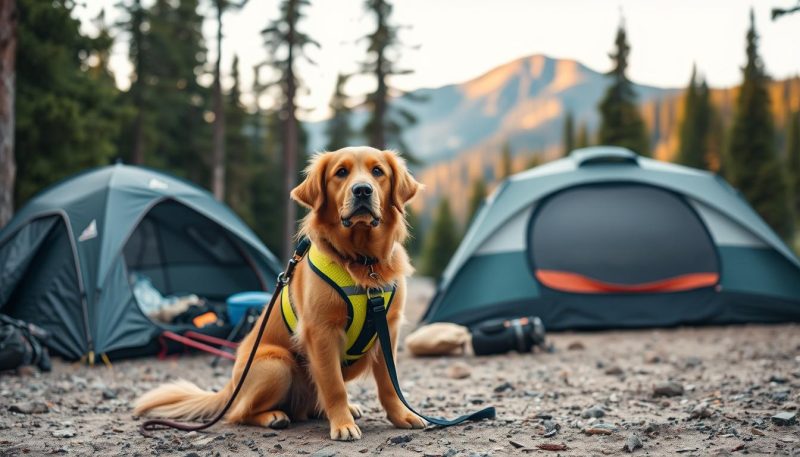
Weather conditions can significantly impact dog safety during camping. Extreme temperatures, rain, or snow can be hazardous. Ensure your dog has adequate shelter and monitor weather forecasts. Never leave your dog exposed to harsh weather conditions, and adjust your camping rules for dogs accordingly to keep them safe and comfortable.
Wilderness First-Aid for Dogs
Before heading out on a camping trip with your dog, it’s vital to understand the basics of wilderness first-aid to keep your pet safe. When you’re far from veterinary care, knowing how to respond to emergencies can make all the difference.
Building a Canine First-Aid Kit
A well-stocked canine first-aid kit is essential for any dog-friendly camping trip. Include items like bandages, antiseptic wipes, tweezers, and any medications your dog may need. Don’t forget to pack a first-aid guide specifically for dogs, as human first-aid techniques may not be applicable.
Treating Common Injuries and Ailments
Common issues like cuts, scrapes, and insect bites can be treated with the supplies in your first-aid kit. For more serious conditions like heatstroke or allergic reactions, knowing the signs and symptoms is crucial. Keep an eye out for signs of distress, such as excessive panting, drooling, or lethargy.
Emergency Response and Evacuation Plans
In the event of a serious emergency, having a plan in place can save valuable time. Know the location of the nearest veterinary clinic and have a plan for emergency transportation. Consider investing in a pet-specific GPS tracking device to help locate your dog if they become lost during an evacuation.
By being prepared with a canine first-aid kit and knowing how to respond to emergencies, you can ensure a safe and enjoyable camping experience for both you and your dog.
Camping Etiquette When Bringing Your Dog
Camping with your furry friend can be a wonderful experience, but it requires some extra consideration. As you enjoy the great outdoors with your dog, it’s crucial to be mindful of other campers and the environment.
Respecting Other Campers
Not everyone may be comfortable around dogs, so it’s essential to keep your pet on a leash and under control. Be sure to respect other campers’ space and keep your dog from disturbing them. Familiarize yourself with leash laws at campgrounds and adhere to them to avoid any issues.
Leave No Trace Principles with Pets
When camping with your dog, it’s vital to follow Leave No Trace principles to minimize your impact on the environment. This includes disposing of your dog’s waste properly and keeping your campsite clean. Always bring bags to pick up after your dog and bury their waste or pack it out.
Managing Barking and Noise
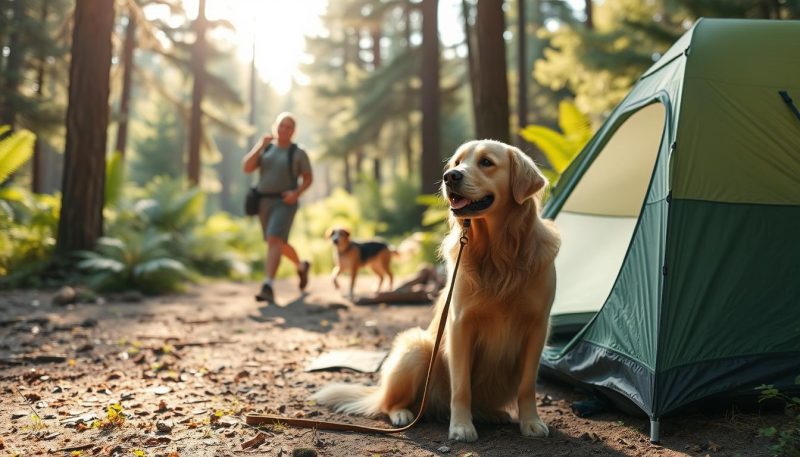
Excessive barking can be a disturbance to other campers. To manage barking and noise, ensure your dog is well-exercised before settling down for the night. You can also consider training your dog to respond to “quiet” commands to minimize disruptions.
By following these simple guidelines, you can ensure a pleasant camping experience for both you and your dog, as well as those around you.
Dog-Friendly Hiking and Activities
Dog-friendly camping opens up a world of adventure, from hiking trails to water activities and camp-based games. When planning your trip, it’s crucial to include activities that both you and your dog will enjoy.
Finding Suitable Trails for Dogs
Researching dog-friendly hiking trails is a must. Look for trails that allow dogs and are suitable for their fitness level. Many national parks and forests have designated dog-friendly trails. Always check the park’s pet policy before heading out.
Water Activities with Your Canine Companion
If your campsite is near a lake or river, consider water activities. Many dogs love swimming and playing in the water. Ensure the water is safe and your dog knows how to exit the water safely.
Camp-Based Games and Entertainment
At the campsite, engage your dog with camp-based games like fetch, hide-and-seek, or even setting up an obstacle course. These activities keep your dog entertained and strengthen your bond.
By incorporating these activities into your dog-friendly camping trip, you’ll create lasting memories with your canine companion.
Seasonal Considerations for Dog Camping
Dog owners who love camping must be aware of the seasonal factors that can impact their pet’s well-being during outdoor adventures. Different seasons bring unique challenges that require specific preparations to ensure a safe and enjoyable experience for both you and your dog.
Summer Heat Precautions
When camping in the summer, it’s essential to protect your dog from heat-related issues. Here are some tips:
- Provide plenty of fresh water and shade.
- Avoid strenuous activities during the hottest parts of the day.
- Watch for signs of heatstroke, such as excessive panting or lethargy.
Cold Weather Camping with Dogs
Camping in cold weather requires special care to keep your dog warm and comfortable. Consider the following:
- Use a warm, insulated dog bed to keep your dog cozy.
- Limit exposure to cold and wind.
- Monitor your dog’s body temperature and watch for signs of hypothermia.
Dealing with Seasonal Pests
Different seasons bring different pests that can bother your dog. To manage these:
- Use tick and flea prevention measures appropriate for the season.
- Check your dog regularly for signs of pest bites or infestations.
- Keep your campsite clean to reduce the presence of pests.
Training Your Dog for Camping Success
To ensure a fun and safe camping trip with your dog, proper training is essential. Camping environments can be challenging for dogs, with new sights, sounds, and smells. A well-trained dog can make all the difference in enjoying your outdoor adventure.
Essential Commands for Outdoor Safety
Teaching your dog basic obedience commands is vital for their safety and the safety of others. Commands like “stay,” “come,” and “leave it” can help prevent unwanted interactions with wildlife or other campers. Consistent training and positive reinforcement are key to ensuring your dog responds to these commands in distracting environments.
Desensitizing to Camping Environments
Desensitizing your dog to the camping environment can help reduce their stress and make the experience more enjoyable. Start by exposing your dog to camping gear, such as tents and sleeping bags, and gradually introduce them to outdoor environments. Gradual exposure can help your dog become more confident in new settings.
Reinforcing Recall and Boundary Training
Recall training is critical when camping, as it allows you to call your dog back to you in case they wander off. Boundary training helps your dog understand the limits of their freedom. Practice these skills in various environments to ensure your dog responds reliably.
| Training Tip | Description | Benefit |
|---|---|---|
| Consistent Commands | Use the same commands every time | Reduces confusion for your dog |
| Positive Reinforcement | Reward good behavior | Encourages desired behavior |
| Gradual Exposure | Gradually introduce new environments | Reduces stress and anxiety |
Special Considerations for Different Types of Dogs
Whether you’re camping with a senior dog, a large breed, or a puppy, tailored planning is essential for a fun and safe experience. Different life stages and sizes of dogs require unique considerations to ensure their comfort and safety during the camping trip.
Camping with Senior Dogs
Senior dogs need extra care when camping. Their age might bring health issues such as arthritis or reduced mobility. Choose campsites with easy access and minimal strenuous activities. Ensure their comfort with orthopedic beds and keep a close eye on their health throughout the trip.
Accommodations for Small vs. Large Breeds
The size of your dog significantly impacts your camping preparations. Large breeds require more space and sturdier equipment, such as reinforced dog crates. In contrast, smaller breeds need protection from the elements and potential predators, along with cozy, insulated bedding. Consider dog-friendly RV parks or cabins that cater to your dog’s size for a more comfortable stay.
First-Time Camping with a Puppy
Puppies require special attention, especially if it’s their first camping trip. Socialization is key, so introduce them to camping gear and outdoor environments gradually. Keep a close eye on their interactions with the environment to prevent any harm. Choose a dog-friendly campground with minimal hazards and plenty of space for them to explore.
Conclusion: Creating Lasting Memories with Your Canine Camping Buddy
Camping with your dog can be a truly unforgettable experience, allowing you to bond with your pet in the great outdoors. By choosing dog-friendly camping options and being prepared with the right gear and knowledge, you can create lifelong memories with your canine companion.
From assessing your dog’s camping readiness to finding the perfect pet-friendly campground, we’ve covered the essential steps to ensure a fun and safe adventure for both you and your dog. Whether you’re hiking with your dog or simply enjoying quality time together around the campsite, dog-friendly camping is a great way to strengthen your bond and create new experiences.
As you plan your next camping trip, consider the tips and advice outlined in this article to make your dog-friendly camping adventure a success. With the right preparation and mindset, you’ll be well on your way to creating lasting memories with your canine camping buddy.
FAQ
What are the best dog-friendly campgrounds in the US?
Some top dog-friendly campgrounds include those in national parks like Acadia and Yellowstone, as well as private campgrounds like Kampgrounds of America (KOA) and Thousand Trails.
How do I prepare my dog for camping?
Start by assessing your dog’s camping readiness, then schedule a pre-trip veterinary checkup. Gradually introduce your dog to camping gear and environments to ensure a smooth transition.
What essential gear do I need for camping with my dog?
Pack food and water supplies, a comfortable sleeping arrangement, leashes, harnesses, and containment options, as well as dog-specific camping equipment like portable bowls and a first-aid kit.
How can I keep my dog safe while camping?
Be aware of potential hazards like wildlife encounters, terrain and environmental hazards, and weather-related safety concerns. Keep your dog on a leash, and consider investing in a GPS tracking device.
What are some dog-friendly hiking trails?
Research trails that allow dogs, such as those in national forests or dog-friendly state parks. Always check local regulations and trail conditions before heading out.
Can I take my dog on a backpacking trip?
Yes, but be sure to plan carefully, considering your dog’s fitness level and the terrain. Pack accordingly, and bring a portable dog bed or blanket for comfort.
How do I manage barking and noise while camping?
Train your dog to respond to “quiet” commands, and consider bringing white noise machines or earplugs to minimize disturbance.
What are some seasonal considerations for dog camping?
Be aware of extreme temperatures, seasonal pests, and weather-related hazards. Take precautions like providing shade and water in summer, and using dog coats in cold weather.
How can I ensure a successful camping trip with a puppy?
Start with short trips, gradually introducing your puppy to camping environments. Be patient, and prioritize training and socialization.
Are there any specific camping rules for dogs I should know?
Familiarize yourself with local leash laws, pet policies, and camping regulations. Always clean up after your dog, and respect other campers.