
Many dog owners wonder if their pets can naturally swim. While some dogs seem to take to the water instinctively, others may struggle or even face danger when swimming.
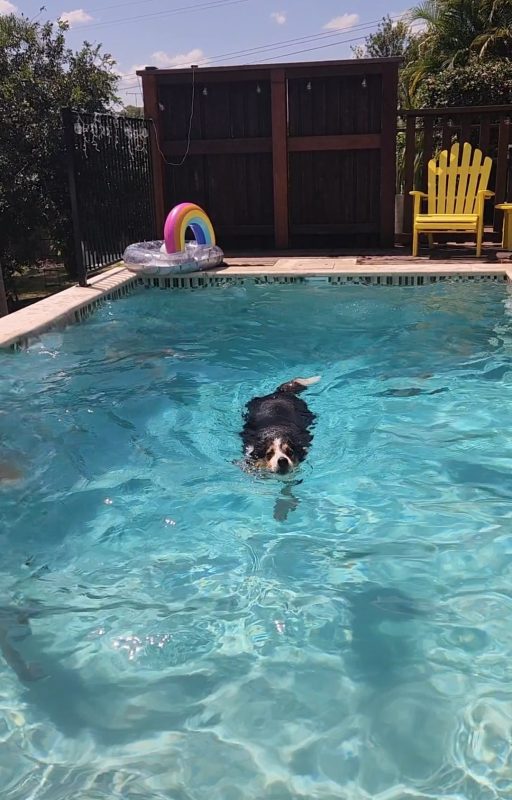
The natural swimming ability of dogs is a topic of interest among pet owners. Factors such as breed, body type, and individual temperament can affect a dog’s ability to swim.
Understanding whether dogs can swim and what influences their swimming ability can help owners make informed decisions about their pets’ safety around water.
Key Takeaways
- Not all dogs are natural swimmers.
- Some breeds are more inclined to swim than others.
- Factors like body type and temperament affect swimming ability.
- Owners should be aware of their dog’s limitations around water.
- Understanding canine swimming can help prevent accidents.
The Natural Swimming Ability of Dogs
It’s commonly observed that dogs instinctively paddle in water, a motion often referred to as the “dog paddle.” This natural ability suggests that many dogs have an innate capacity for swimming.
The “Dog Paddle”: An Instinctive Motion
The “dog paddle” is a fundamental motion that many dogs exhibit when placed in water. This instinctive action involves the use of their front and rear legs to propel themselves forward, creating a paddling effect. The “dog paddle” is not just a random movement; it’s a coordinated effort that helps dogs stay afloat and move through the water.
Evolutionary Background of Canine Swimming
Dogs’ ancestors were known to use swimming as a means of survival and hunting. Over time, this ability has been passed down through generations, contributing to the natural swimming ability observed in many dogs today. Understanding this evolutionary background can help dog owners appreciate their pets’ potential for swimming.
| Dog Breed | Swimming Ability | Water Loving Tendency |
|---|---|---|
| Labrador Retriever | Excellent | High |
| Golden Retriever | Good | High |
| Bulldog | Poor | Low |
The natural swimming ability of dogs is influenced by their breed, physical characteristics, and individual temperament. While some dogs take to water immediately, others may require more encouragement and training.
Not All Dogs Are Natural Swimmers
Dogs have varying abilities when it comes to swimming, influenced by several factors. While some breeds take to water naturally, others may struggle due to their physical characteristics or psychological factors.
Physical Characteristics That Affect Swimming Ability
A dog’s physical attributes play a significant role in their ability to swim. Breeds with certain characteristics may find it more challenging to stay afloat or maneuver in water.
- Body structure: Dogs with heavy, muscular builds or short legs may struggle to swim efficiently.
- Coat type: Breeds with thick, heavy coats can become waterlogged, making it harder for them to swim.
- Respiratory system: Dogs with brachycephalic (flat-faced) skulls may experience breathing difficulties, especially in water.
| Breed | Body Structure | Coat Type | Swimming Ability |
|---|---|---|---|
| Bulldog | Heavy, muscular | Short, smooth | Difficult |
| Labrador Retriever | Athletic | Short, dense | Excellent |
| Pug | Compact | Short, fine | Challenging |
Psychological Factors: Fear and Confidence in Water
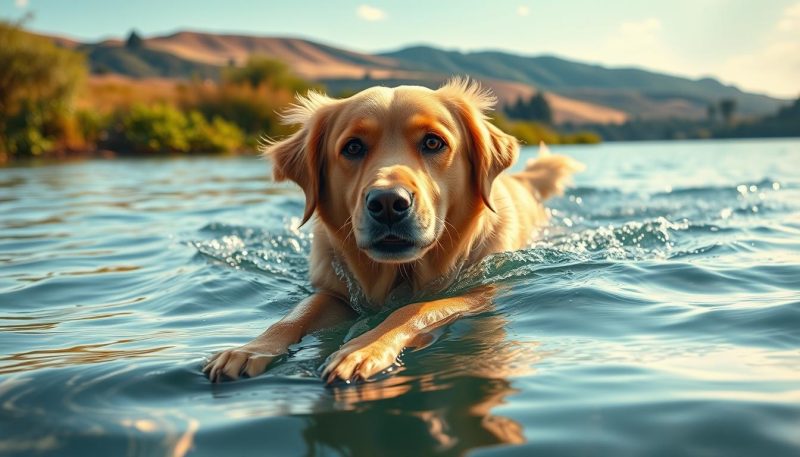
A dog’s psychological state is just as important as their physical attributes when it comes to swimming. Fear or lack of confidence in water can significantly hinder a dog’s ability to swim.
Some dogs may be naturally more cautious or fearful around water, while others may be eager to dive in. Owners can help build their dog’s confidence by gradual exposure to water, starting with small steps such as simply getting their paws wet.
Dog Breeds That Excel at Swimming
While some dogs may struggle in the water, certain breeds have a natural affinity for swimming. These breeds have been developed over centuries for their ability to work in and around water, making them excellent companions for water activities.
Water-Loving Retrievers and Spaniels
Retrievers and Spaniels are among the top breeds that excel at swimming. Their historical use in waterfowl hunting has bred into them a strong instinct to retrieve game from water. For example, Labrador Retrievers are known for their love of water and their natural swimming ability, making them perfect for families who enjoy water activities. Similarly, Spaniels, such as the American Water Spaniel, have been bred to flush game from wetlands, giving them a strong affinity for water.
Other Breeds With Strong Swimming Abilities
Beyond Retrievers and Spaniels, other breeds possess strong swimming abilities. Portuguese Water Dogs, for instance, have been bred to assist fishermen by herding fish and retrieving items from the water. Newfoundlands, known for their rescue abilities, are also natural swimmers with a strong instinct to save people from drowning. These breeds, among others, make excellent companions for individuals who enjoy swimming and other water activities.
Understanding the breed-specific traits related to swimming can help dog owners choose the right activities for their pets. For breeds that are natural swimmers, engaging in swimming lessons for dogs can further enhance their abilities and strengthen the bond between dog and owner.
Breeds That Struggle in Water
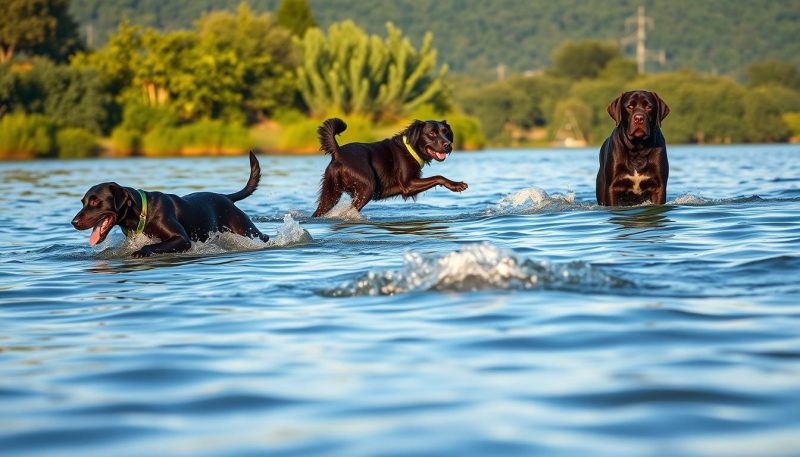
While many dogs take to swimming naturally, certain breeds face significant challenges in the water. Brachycephalic breeds, commonly known as flat-faced dogs, are among those that can experience difficulties. Their short nasal passages can lead to breathing problems, making swimming a potentially dangerous activity.
Dog owners with brachycephalic breeds need to be cautious around water. The risk of dog drowning is higher for these breeds due to their physical characteristics. Ensuring swimming pool safety is crucial, and one effective measure is using a dog life vest. This can provide additional buoyancy and help keep your pet safe.
Supervising your dog near water is also essential. Even if your dog is a strong swimmer, accidents can happen quickly. Being aware of the risks and taking necessary precautions can help prevent tragedies. For flat-faced dogs, the danger is particularly pronounced, so extra care is needed.
Understanding the specific needs and limitations of your dog’s breed is key to ensuring their safety around water. By taking the right precautions, such as using a dog life vest and maintaining close supervision, you can help minimize the risk of drowning and ensure a safe experience for your pet.
FAQ
Can all dogs swim instinctively?
While many dogs have an innate ability to paddle and swim, not all breeds are naturally adept at it. Some dogs may need training or may struggle due to physical or psychological factors.
What dog breeds are known to be good swimmers?
Retrievers and Spaniels are among the top breeds that excel at swimming, thanks to their historical use in waterfowl hunting. Other breeds like Labradors, Golden Retrievers, and Portuguese Water Dogs also possess strong swimming abilities.
Are brachycephalic breeds at risk when swimming?
Yes, brachycephalic or flat-faced breeds can experience breathing difficulties that make swimming dangerous. Dog owners with these breeds should be cautious around water and consider safety measures like dog life jackets.
Is a dog life jacket necessary for my pet?
A dog life jacket can be a crucial safety measure, especially for breeds that struggle in water or for dogs that are new to swimming. It provides buoyancy and can help prevent drowning.
How can I teach my dog to swim safely?
To teach your dog to swim safely, start in shallow water, provide support with a dog life jacket, and gradually increase the depth as they become more confident. Supervise your dog closely and be prepared to intervene if needed.
What are some water safety tips for dogs?
Always supervise your dog near water, use a dog life jacket if necessary, and ensure they know how to exit the pool or water area safely. Be aware of potential hazards like strong currents or underwater obstacles.
Can I take my pug swimming?
While it’s possible to take a pug swimming, brachycephalic breeds like pugs can face breathing difficulties in water. If you do decide to take your pug swimming, use a dog life jacket and closely supervise them to ensure their safety.
How can I ensure my dog’s safety around a swimming pool?
To ensure your dog’s safety around a swimming pool, install a fence or barrier around the pool, supervise your dog closely when they’re near the pool, and consider using a dog life jacket. You should also teach your dog how to exit the pool safely.