
When it comes to keeping your dog healthy, we often think of high-quality food, regular exercise, and routine vet visits. But one of the most overlooked essentials in canine health is something incredibly basic: water.
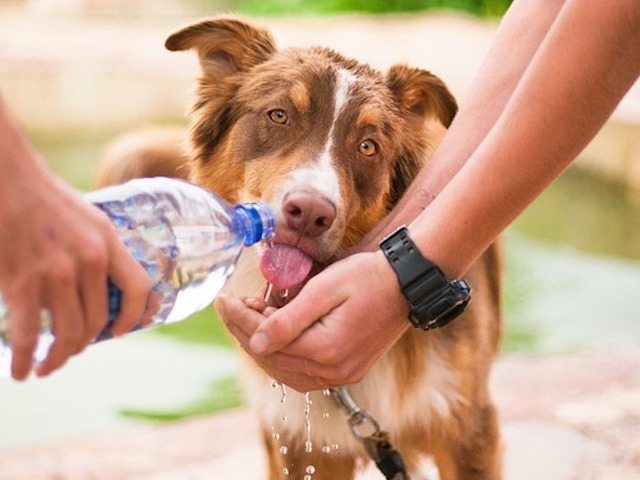
Water makes up over 70% of a dog’s body and plays a critical role in digestion, joint health, circulation, and temperature regulation. Yet not all water sources are equally safe for our furry companions. From tap water to toilet water, filtered water to sparkling water, dog owners are often unsure which types are safe, and which could be potentially dangerous.
In this comprehensive guide, we break down the most common water sources and evaluate their health benefits and risks for dogs.
Toilet Water – Why Dogs Love It (But shouldn’t)
It’s a common scenario: you catch your dog sneaking a sip from the toilet bowl. While it may seem harmless (or just gross), toilet water is a dangerous drinking source for dogs.
Health Risks of Toilet Water:
- Chemical Exposure: Many toilet cleaners contain bleach, ammonia, and other disinfectants. Even trace amounts left in the bowl can be toxic to dogs.
- Bacterial Contamination: Bacteria such as E. coli, Salmonella, and Giardia can thrive in toilet water, especially if it hasn’t been flushed recently.
- Gastrointestinal Issues: Ingesting contaminated water can lead to vomiting, diarrhea, and serious infections.
Tip: Keep the lid closed, and if needed, use baby-proof toilet locks. Train your dog to avoid bathroom water completely.
Sparkling Water – Fizz Isn’t Friendly for Fido
Sparkling or carbonated water might be a favourite among humans, but for dogs, it’s a different story.
Can Dogs Drink Sparkling Water?
Technically, yes but only in very small amounts and only if it’s plain, unsweetened, and additive-free.
Potential Issues
- Bloating and Discomfort: Dogs don’t process carbonation well. The gas can build up in their stomach, causing bloating, which can be painful or even dangerous.
- Toxic Ingredients: Some flavoured sparkling waters contain xylitol, caffeine, or essential oils all of which are harmful to dogs.
Verdict: While a tiny sip of plain sparkling water may not hurt, it’s best to avoid it altogether and stick to still, clean water.
Filtered Water – One of the Best Choices
Filtered water is one of the healthiest and safest water options for dogs. It removes many of the contaminants found in regular tap water while retaining beneficial minerals.
Benefits of Filtered Water for Dogs:
- Removes Chlorine and Heavy Metals: Helps prevent long-term exposure to substances like lead, mercury, or excess fluoride.
- Improved Taste: Dogs may drink more water if it’s clean and palatable.
- Reduces Health Risks: Especially beneficial for dogs with weakened immune systems, allergies, or kidney issues.
Tip: Use a certified home filtration system or filtered pitcher and change the filters regularly to avoid bacterial buildup.
Tap Water – Usually Safe, But It Depends

In most developed countries, tap water is safe for dogs to drink. However, water quality can vary significantly depending on your location.
What to Consider
- Local Water Quality: Municipal tap water may contain acceptable levels of chlorine, fluoride, and trace contaminants. Still, in older homes, lead pipes may pose risks.
- Seasonal or Regional Concerns: During droughts or pipe maintenance, water may be less safe due to higher bacterial or chemical content.
Is Tap Water Good for Dogs?
Generally, if the tap water is safe for humans, it’s safe for dogs. But if you wouldn’t drink it, don’t expect your dog to either.
Recommendation: Check your local water quality report or consider a home filter for peace of mind.
Dirty or Stagnant Water – A Definite No
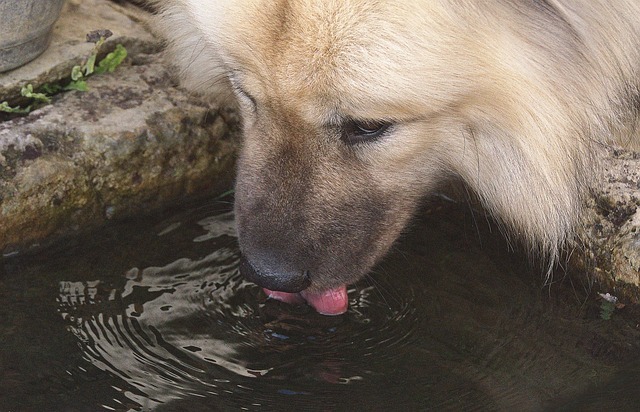
Never let your dog drink from puddles, stagnant ponds, or roadside ditches. While it might look refreshing on a hot day, dirty water is one of the most common causes of illness in dogs.
What’s in Dirty Water?
- Parasites like Giardia and Cryptosporidium
- Bacteria such as Leptospira and Salmonella
- Harmful algae toxins, especially in warm climates
Risks of Drinking Dirty Water:
- Vomiting and diarrhea
- Leptospirosis, a potentially fatal disease transmitted through contaminated water.
- Parasite infections that may require medication
Tip: Always bring a portable water bowl and fresh water when walking, hiking, or traveling with your dog.
Mineral Water – Safe in Moderation
Mineral water is generally safe for dogs, as long as it’s plain, unsweetened, and has low sodium levels.
Pros and Cons:
- Pros: Contains beneficial minerals like calcium, magnesium, and potassium, which can support bone health and hydration.
- Cons: Some brands have high sodium or added flavours that are unsafe for pets.
When to Give Mineral Water:
- For a treat on hot days
- During travel when filtered water isn’t available
- When dealing with picky drinkers
Note: Always read the label. Avoid mineral waters with carbonation, citrus, or any additives.
Summary: The Best and Worst Waters for Dogs
| Water Type | Safe for Dogs? | Health Concerns | Recommendation |
| Toilet Water | No | Bacteria, chemicals, cleaners | Avoid completely |
| Sparkling Water | Limited | Gas, bloating, additives | Avoid or give tiny amounts rarely |
| Filtered Water | Yes | Few, if any | Excellent daily choice |
| Tap Water | Usually, | Varies by region | Check local water quality |
| Dirty Water | No | Parasites, bacteria, algae toxins | Never allow |
| Mineral Water | In moderation | Sodium content, potential additives | Use occasionally, plain only |
Final Thoughts: Keep It Clean, Keep It Simple
When it comes to safe hydration for dogs, simple is best. Clean, fresh, non-carbonated water ideally filtered or from a trusted tap source is your safest bet. Avoid risky water sources like toilet bowls, puddles, and flavoured or carbonated drinks.
Proper hydration supports your dog’s:
- Kidney function
- Joint health
- Digestion
- Energy and metabolism
Pro Tip: Clean your dog’s water bowl daily to prevent bacterial growth and always provide access to fresh water especially in hot weather or after exercise. If your looking for more ways to encourage your dog to drink, follow the link for more tips.