
Summer is a season of beach trips, backyard barbecues, and long sunny walks — but it’s also a time when misinformation about dog health spreads faster than a game of fetch.
From “dogs can’t get sunburn” to “shaving your dog keeps them cooler,” these myths can put your pet at risk. To set the record straight, we’ve compiled a Vet Q&A that tackles the most common summer health myths about dogs, backed by veterinary science and practical advice.
- Why Summer Myths Can Be Dangerous
- Q1: “Dogs Can’t Get Sunburn” — True or False?
- Q2: “Shaving a Dog’s Coat Keeps Them Cooler” — True or False?
- Q3: “Dogs Don’t Need Extra Water in Summer” — True or False?
- Q4: “Dogs Can Safely Ride in a Parked Car if the Windows Are Down” — True or False?
- Q5: “All Dogs Are Natural Swimmers” — True or False?
- Q6: “Dogs Don’t Need Sunscreen on Their Nose” — True or False?
- Q7: “Ice Cubes Are Dangerous for Dogs in Summer” — True or False?
- Q8: “Dogs Don’t Need Parasite Prevention in Summer” — True or False?
- Q9: “Dogs Can Eat the Same Summer Foods as Humans” — True or False?
- Q10: “Dogs Don’t Need Exercise in Summer” — True or False?
- Vet‑Approved Summer Safety Checklist
- Final Thoughts
Why Summer Myths Can Be Dangerous
Misinformation isn’t just harmless chatter — it can lead to serious health problems for your dog. Acting on bad advice can cause:
- Heatstroke
- Dehydration
- Skin damage
- Nutritional imbalances
- Increased risk of injury or illness
Veterinarians see the consequences of these myths every summer. This Q&A aims to help you separate fact from fiction so your dog can enjoy the season safely.
Q1: “Dogs Can’t Get Sunburn” — True or False?
Vet Answer: False. Dogs can get sunburn, especially those with light‑coloured coats, thin fur, or exposed skin on the nose, ears, and belly.
The Facts:
- Sunburn in dogs can cause redness, peeling, and pain.
- Severe sunburn increases the risk of skin cancer.
- Breeds at higher risk include Dalmatians, Bull Terriers, Greyhounds, and hairless breeds.
Vet Tip:
- Apply pet‑safe sunscreen to vulnerable areas.
- Avoid peak sun hours (10am–4pm).
- Provide shaded rest areas outdoors.
Q2: “Shaving a Dog’s Coat Keeps Them Cooler” — True or False?
Vet Answer: Mostly false — and potentially harmful.
The Facts:

- Double‑coated breeds (e.g., Golden Retrievers, Huskies) have a topcoat that protects against sunburn and an undercoat that insulates against heat and cold.
- Shaving can remove this natural protection, making dogs more prone to overheating and sun damage.
- It can also cause coat regrowth issues.
Vet Tip:
- Opt for regular grooming and de‑shedding instead of shaving.
- Trim long hair around paws and sanitary areas for comfort.
- Keep coats clean and mat‑free to allow airflow.
Q3: “Dogs Don’t Need Extra Water in Summer” — True or False?
Vet Answer: False. Dogs lose more fluids through panting in hot weather and need more water to stay hydrated.
The Facts:
- Dehydration can occur quickly in warm climates.
- Signs include dry gums, lethargy, and loss of skin elasticity.
- Active dogs and puppies are especially vulnerable.
Vet Tip:
- Provide multiple water bowls in shaded areas.
- Carry a portable water bottle on walks.
- Add water or low‑sodium broth to meals for extra hydration.
Q4: “Dogs Can Safely Ride in a Parked Car if the Windows Are Down” — True or False?
Vet Answer: Absolutely false — and dangerous.
The Facts:
- Even with windows cracked, the temperature inside a car can rise to over 50°C in minutes.
- Heatstroke can develop rapidly and be fatal.
Vet Tip:
- Never leave your dog in a parked car, even for “just a minute.”
- Plan errands so your dog isn’t left unattended.
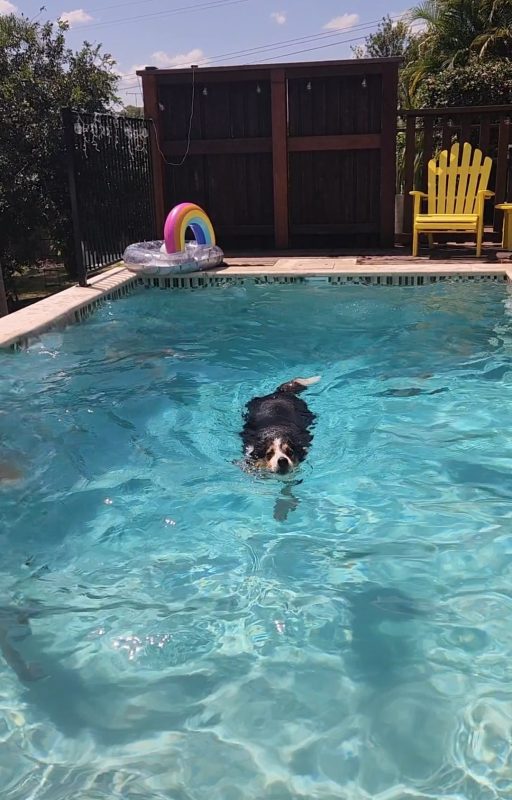
Q5: “All Dogs Are Natural Swimmers” — True or False?
Vet Answer: False.
The Facts:
- Some breeds (e.g., Labradors) are strong swimmers, but others (e.g., Bulldogs, Pugs) have body shapes that make swimming difficult or dangerous.
- Even good swimmers can tire quickly or panic in deep water.
Vet Tip:
- Use a canine life jacket for boating or deep water.
- Supervise at all times.
- Teach your dog how to exit pools safely.
Q6: “Dogs Don’t Need Sunscreen on Their Nose” — True or False?
Vet Answer: False.
The Facts:
- The nose is sensitive and can burn, especially in light‑pigmented dogs.
- Sunburn here can lead to painful sores and increase cancer risk.
Vet Tip:
- Use zinc‑free, pet‑safe sunscreen (zinc oxide is toxic to dogs).
- Reapply after swimming or heavy play.
Q7: “Ice Cubes Are Dangerous for Dogs in Summer” — True or False?
Vet Answer: Mostly false — with context.

The Facts:
- Ice cubes are safe for most dogs and can help cool them down.
- The myth likely comes from concerns about “shock” to the system, but there’s no evidence that ice causes heatstroke.
- The real danger is choking in small dogs or aggressive chewers.
Vet Tip:
- Offer ice cubes or frozen treats under supervision.
- Use crushed ice for small breeds.
Q8: “Dogs Don’t Need Parasite Prevention in Summer” — True or False?
Vet Answer: False — they need it year‑round, but summer increases the risk.
The Facts:
- Fleas, ticks, and mosquitoes thrive in warm weather.
- These pests can transmit diseases like heartworm, Lyme disease, and ehrlichiosis.
Vet Tip:
- Keep your dog on year‑round parasite prevention.
- Check for ticks after outdoor activities.
Q9: “Dogs Can Eat the Same Summer Foods as Humans” — True or False?
Vet Answer: False — and sometimes dangerous.
The Facts:
- Many summer foods are toxic to dogs: onions, garlic, grapes, raisins, chocolate, and foods with xylitol.
- Fatty barbecue scraps can cause pancreatitis.
Vet Tip:
- Stick to dog‑safe treats like cucumber, watermelon (seedless), and blueberries.
- Avoid seasoning, sauces, and bones.
Q10: “Dogs Don’t Need Exercise in Summer” — True or False?
Vet Answer: False — but timing and intensity matter.

The Facts:
- Dogs still need physical and mental stimulation.
- Overexertion in heat can cause heatstroke.
Vet Tip:
- Exercise in early morning or evening.
- Use shaded routes and avoid hot pavement.
- Swap some outdoor play for indoor enrichment.
Vet‑Approved Summer Safety Checklist
Hydration:
- Fresh water always available
- Portable water on walks
- Add moisture to meals
Sun Protection:
- Pet‑safe sunscreen on exposed areas
- Shade during peak sun hours
Heat Management:
- Cooling mats or vests
- Avoid hot pavement
- Never leave in parked cars
Parasite Prevention:
- Year‑round flea, tick, and heartworm control
- Tick checks after outdoor play
Safe Diet:
- Avoid toxic foods
- Offer cooling, dog‑safe snacks
Final Thoughts
Summer should be a season of joy for you and your dog — not a trip to the emergency vet. By separating fact from fiction, you can make informed choices that keep your dog safe, healthy, and happy.
Veterinarians agree: prevention is always better than cure. Understanding the truth behind these summer health myths is one of the best ways to protect your furry friend.