
Taking your dog to the beach can be a fun and rewarding experience, but before letting them enjoy the waves, it’s important to ask: Is it safe for my dog to swim at the beach? While swimming provides numerous benefits for dogs, including exercise, cooling off, and joint support, the beach environment can also present potential risks if you’re not adequately prepared.
In this article, we’ll explore whether beach swimming is safe for your dog, covering everything from the benefits of swimming to beach and safety precautions. We’ll highlight potential hazards like strong currents, sharp objects, and harmful marine life that could endanger your pet. Additionally, we’ll discuss the health risks associated with beach swimming, such as ear infections or dehydration, and how to prepare your dog for the beach environment.
Recognizing the signs that your dog may be in trouble while swimming, as well as providing proper post-swim care, is essential for their well-being. Additionally, we will assist you in selecting the right beach—one that is safe, dog-friendly, and perfect for a worry-free outing.
By following these tips, you can help your dog enjoy the beach safely while reaping the many health benefits of swimming in the ocean. (dog friendly beaches around me)
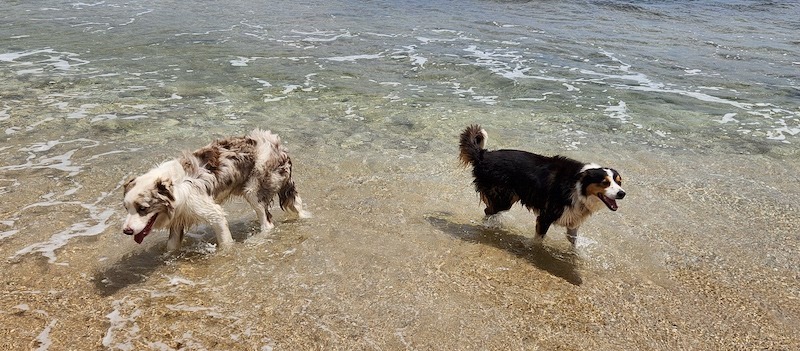
- Is it safe to take your dog to the beach?
- Benefits of Dog Swimming at the Beach
- Dog safety precautions at the beach
- Potential hazards that may arise when taking your dog to the beach
- Health risks to be aware of before taking your dog to the beach
- How to recognise if my dog is in trouble at the beach
- Post beach swimming care for dogs
- Which beach is a dog friendly beach?
- Conclusion
Is it safe to take your dog to the beach?
Swimming at the beach can be a great activity for your dog, offering exercise, cooling relief on hot days, and mental stimulation. However, safety should always be a priority. While many dogs enjoy the water, the beach environment presents potential risks, such as strong currents, rough waves, sharp objects, and harmful marine life like jellyfish. Moreover, saltwater can irritate your dog’s skin or cause stomach upset if swallowed in excess. Furthermore, prolonged water exposure can lead to health risks like ear infections. Therefore, it is essential to stay vigilant and prepared to protect your dog’s well-being.
To ensure your dog’s safety, it’s crucial to monitor them closely while swimming and, if necessary, consider using a life jacket for added protection. Afterward, make sure to rinse off any salt or sand to prevent irritation. Additionally, selecting a dog-friendly beach with calm waters and minimal crowds will contribute to a safer, more enjoyable experience for both you and your dog. By taking these precautions, you can help your dog enjoy a fun and safe swimming experience at the beach.
Benefits of Dog Swimming at the Beach

Swimming at the beach offers numerous health benefits for dogs, making it an excellent activity for your furry friend. One of the primary advantages is physical exercise. Swimming provides a full-body workout, helping dogs burn calories while building strength and endurance, all without the impact of running or walking on hard surfaces. This is particularly beneficial for older dogs, puppies, or those with joint issues such as arthritis. The buoyancy of the water reduces strain on their joints and muscles, making it an ideal low-impact exercise option.
In addition to providing physical exercise, swimming is an excellent way for dogs to stay cool during hot weather. Since dogs can easily overheat in warm temperatures, swimming in the ocean offers a perfect solution. Not only does it allow them to cool off, but it also lets them stay active. As a result, swimming helps prevent heat exhaustion and contributes to maintaining their overall health.
Mental stimulation is another benefit. The beach environment offers new scents, sounds, and sights, which can provide mental enrichment and prevent boredom. Dogs often love the challenge and fun of navigating through the water and sand, stimulating their minds while also improving focus and confidence.
Best of all swimming at the beach helps improve cardiovascular health and overall fitness, contributing to a longer, healthier life. With proper supervision, beach swimming can be an enjoyable and beneficial experience for your dog.
Dog safety precautions at the beach
When visiting a dog-friendly beach, safety should be a top priority for both your pet and other beachgoers. First, ensure your dog is well-trained and responds reliably to commands like “come” or “stay.” This will help manage your pet in the presence of distractions like other dogs, wildlife, or moving water. Always keep your dog on a leash until you are certain they are under control and be mindful of leash laws at the beach.
Be aware of potential hazards, such as strong currents, sharp objects, or hot sand, which could cause injury to your dog. To prevent overheating, it’s essential to provide fresh water and take breaks in shaded areas, particularly during hot weather. Additionally, keep an eye out for signs of fatigue or distress and adjust their playtime accordingly to ensure their safety and well-being.
Another crucial aspect is cleaning up after your dog. Bring waste bags and dispose of them properly to maintain a clean environment.Finally, be sure to monitor your dog for signs of irritation or infections, such as excessive licking or scratching, especially after swimming in saltwater. By following these precautions, you can help ensure a safe and enjoyable beach experience for your dog, while also being considerate of others around you.
Potential hazards that may arise when taking your dog to the beach
Taking your dog to the beach can be a fun and exciting experience, but it’s important to be aware of potential hazards that could endanger your pet. One of the biggest risks is strong ocean currents, which can quickly sweep even the most experienced swimmers off course. Dogs, especially those not used to swimming in the ocean, may struggle to navigate strong waves and currents, leading to exhaustion or even drowning. It’s crucial to keep your dog on a leash or within a designated swimming area to minimize this risk.
One of my favourite saying for pet owners taking their dogs to the beach is “if you are not prepared to go in to save them, then don’t let them in”.
Another common hazard is the presence of sharp objects like broken glass, sharp rocks, or discarded debris along the shoreline. Dogs are naturally curious and may unknowingly step on or ingest these items, leading to cuts, scrapes, or even internal injuries. Always keep a close eye on your dog to prevent them from wandering into dangerous areas and check their paws regularly for any injuries after they’ve walked on the beach.
Harmful marine life such as jellyfish, stingrays, or even certain types of fish can pose serious health risks to your dog. Jellyfish stings can cause intense pain, swelling, and in severe cases, require medical attention. It’s important to research the specific beach you’ll be visiting to understand the potential dangers in the area.
By staying vigilant and taking precautions, you can ensure a safe and enjoyable beach trip for both you and your furry friend.

Health risks to be aware of before taking your dog to the beach
Before taking your dog to the beach, it’s important to be aware of several health risks that could affect your pet’s well-being. One common concern is ear infections, which are especially prevalent in dogs with floppy ears. Exposure to saltwater and sand can lead to moisture buildup in the ear canal, creating an environment for bacteria and yeast to thrive. To prevent ear infections, be sure to dry your dog’s ears thoroughly after they swim and avoid letting them stay in the water for extended periods.
Dehydration is another risk to keep in mind, especially on hot, sunny days. Dogs can become dehydrated quickly when playing in the heat, particularly if they’re running around or swimming. Always provide access to fresh, clean water and encourage your dog to drink regularly. If you notice signs of dehydration such as excessive panting, dry gums, or lethargy, it’s essential to get your dog to a cooler place and rehydrate them immediately.
Skin allergies can also be triggered by the environment at the beach. Saltwater, sand, and even certain plants or insects can irritate your dog’s skin, leading to itching, rashes, or hot spots. If your dog has sensitive skin, rinse them off with fresh water after swimming and keep an eye out for any allergic reactions. Taking these precautions can help reduce the health risks associated with beach trips and ensure a fun, safe outing for your dog.
How to recognise if my dog is in trouble at the beach
Knowing how to recognize if your dog is in trouble at the beach is essential for their safety. If your dog is struggling in the water, abored breathing, excessive panting, or difficulty staying afloat are common signs of distress. If your dog seems fatigued, is not swimming as confidently, or is swimming in circles, they may be caught in strong currents or overexerting themselves. In such cases, consider putting a dog life jacket on your pet, especially if they are a poor swimmer or new to water. A life jacket helps keep your dog afloat, providing extra safety and peace of mind.
Additionally, always keep your dog’s leash on if you are unsure about their ability to navigate the beach or water safely. This allows you to have better control over your dog, especially in crowded areas or near strong currents. If your dog seems anxious, disoriented, or unresponsive, it could indicate they are in trouble. Shaking, whimpering, or even unwillingness to move are signs that your dog may be scared or in pain. Always be vigilant and act quickly if you notice any of these symptoms, ensuring your dog’s safety and well-being during your beach outing.
Post beach swimming care for dogs
Post-beach swimming care is essential for ensuring your dog’s health and comfort after a fun day by the water. Different dog breeds have unique needs when it comes to post-swim care, so it’s important to tailor your routine accordingly.
Short-haired dogs, such as Greyhounds or Boxers, typically dry off quickly. However, they may require more frequent rinsing to remove saltwater and sand from their skin.
Long-haired breeds like Collies or Golden Retrievers, on the other hand, are prone to tangles and mats. After a swim, make sure to brush their fur thoroughly to prevent any discomfort or irritation.
Regardless of coat type, it’s essential to rinse off saltwater as soon as possible. Salt can dry out your dog’s skin, leading to irritation or dryness. This is particularly true for breeds with sensitive skin, such as Bulldogs or Dachshunds. Use fresh water to thoroughly rinse their body, paying special attention to their paws and underbelly where sand and debris often accumulate.
Be aware that dogs with floppy ears, such as Cocker Spaniels or Basset Hounds, require thorough drying of their ears. This is essential to prevent moisture buildup, which could otherwise lead to ear infections. Make sure to gently dry the inside of the ears and keep them clean.
Finally, be sure to provide plenty of fresh water to prevent dehydration, especially if your dog has been swimming in warm conditions. If you can not get your dog to drink water after the beach, read out article on “How to encourage my dog to drink more water?” for more tips. By following these post-beach care tips, you can keep your dog happy, healthy, and comfortable after a day at the beach.
Which beach is a dog beach?
To determine if a beach is dog-friendly, start by checking for official signage or local council rules indicating dog access. Many beaches feature designated dog zones or off-leash areas, while others may restrict dogs to specific times or sections. To find suitable beaches, local councils typically provide clear guidelines, so visiting their websites or contacting them directly can be helpful. Additionally, online resources, such as apps and pet websites, offer up-to-date information on dog-friendly beaches in your area.
Additionally, be sure to check for any restrictions related to specific seasons or events, as some beaches may only allow dogs during off-peak times. It’s also important to consider whether the beach provides a safe environment for your dog, such as calm waters, wide open spaces, and minimal hazards like sharp objects or strong currents. Lastly, always remember to clean up after your dog and be courteous to other beachgoers.
Here are 10 popular dog-friendly beaches across Australia:
Queensland:
3. Tannum Sands
5. Woorim Beach (Bribie Island)
6. Coolum Beach
9. Nudgee Beach
New South Wales:
3. Pearl Beach
4. Lakes Beach
5. Boat Harbour
South Australia:
2. Maslin Beach
4. West Beach
8. Goolwa Beach
Western Australia:
6. Trigg Beach
10. Rockingham Beach
Victora:
1. Foster Beach
3. Whites Beach
7. Tassels Cove
10. Rye Beach
Tasmania:
2. Sandy Bay
6. Greens Beach
9. Spring Beach
Northern Territory:
Always check local guidelines and regulations to ensure a safe and enjoyable visit for you and your dog.
Conclusion

In conclusion, whether it’s safe for your dog to swim at the beach depends on several factors, including the beach environment, your dog’s health, and your level of preparedness.
Swimming at the beach can offer numerous health benefits for your dog, including improved fitness, muscle strength, and a great way to cool down on hot days. However, it’s crucial to take proper safety precautions. For instance, consider using a dog life jacket if your dog is not a strong swimmer, keep them on a leash when necessary, and always monitor them for any signs of distress.
While the beach can be fun, it’s important to be aware of potential hazards, such as strong currents, sharp objects, and harmful marine life, which can pose risks to your dog’s safety. Additionally, common health risks, including ear infections, dehydration, and skin allergies, can arise from exposure to saltwater and sand. Preparing your dog for the beach by rinsing them off after swimming, drying their ears, and providing plenty of fresh water is key to avoiding these issues.
Recognizing signs that your dog may be in trouble, such as fatigue, excessive breathing, or unresponsiveness, is essential for taking quick action. Furthermore, always choose a dog-friendly beach that offers the right amenities and regulations to ensure your dog’s safety.By considering these factors and taking appropriate precautions, you can ensure that your dog has a fun and safe experience at the beach.