As the sun beats down and temperatures rise, many pet owners wonder how their furry friends are coping with the heat. While we humans can sweat and cool off in various ways, do dogs feel heat like we do? The truth is that our canine companions experience temperature differently, relying on unique mechanisms to regulate their body heat. If you’ve ever noticed your dog panting heavily or seeking shade during a hot day, you might have questioned just how sensitive they are to rising temperatures. Understanding your dog’s response to heat is crucial for keeping them safe and comfortable throughout those sweltering summer months. Let’s dive into the fascinating world of dog thermoregulation and find out why it matters for your pup’s well-being!
Understanding Heat and How We Experience It:
What Does “Feeling the Heat” Really Mean?

“Feeling the heat” often refers to our physical sensations during hot weather, like sweating and discomfort. For humans, it’s a complex experience tied to both environmental factors and internal body responses.
When we talk about temperature perception, it encompasses more than just warmth. It includes humidity levels, direct sunlight exposure, and even air circulation. These elements combine to create what we feel on our skin.
For dogs, however, “feeling the heat” takes on an entirely different meaning. They have fewer sweat glands than humans and cannot simply perspire to cool off. Instead of relying on sweat as a cooling mechanism, their bodies react with specific behaviors that alert us when they’re feeling overheated.
Understanding these nuances helps pet owners better grasp how their dogs handle high temperatures and what signs indicate they may be struggling in the heat.
Human Thermoregulation: Sweating and Other Cooling Mechanisms
Humans have a fascinating way of keeping cool when the temperature rises. The most common method? Sweating. When our body heats up, sweat glands activate, releasing moisture onto our skin’s surface.
As this moisture evaporates, it creates a cooling effect. It’s nature’s air conditioner working to maintain our internal balance.
But sweating isn’t the only trick in our thermoregulation toolkit. We also experience increased blood flow to the skin which helps release heat more effectively.
Additionally, we sometimes adjust behaviors instinctively—seeking shade or a breeze during hot days. This combination of physiological and behavioral responses ensures that we can cope with rising temperatures efficiently.
Interestingly, humans have adapted these methods over thousands of years to thrive in various climates around the world.
How Our Bodies Tell Us It’s Too Hot
Our bodies have a remarkable ability to signal when temperatures soar. As the mercury rises, we begin to sweat. This natural cooling mechanism helps regulate our internal temperature.
You might notice an increase in your heart rate, too. Your body works overtime to pump blood closer to the skin’s surface, allowing heat to escape more efficiently.
Feeling sluggish or fatigued is another sign that it’s getting too hot outside. When energy levels dip, it’s often a cue from our bodies that we need shade and hydration.
In extreme conditions, dizziness or nausea can set in as well. These symptoms serve as urgent reminders for us to seek relief before overheating occurs.
Listening closely to these signals is essential for staying safe during hot weather. Recognizing how our own physiology reacts can help us make better choices while enjoying summer days.
The Canine Perspective on Heat:
Do Dogs Sweat Like Humans? The Truth About Canine Cooling
Dogs do not sweat like humans. While we rely on perspiration to cool down, dogs have a different approach.
Their primary cooling method is panting. When they pant, moisture evaporates from their tongues and respiratory tracts, helping regulate body temperature. This unique mechanism allows them to release heat effectively.
However, dogs do have sweat glands located in their paw pads. These glands contribute minimally to cooling but aren’t sufficient for significant temperature regulation.
In hot weather, you’ll notice your pup breathing heavily or seeking shade more often. It’s essential to understand these signs and ensure your furry friend stays comfortable during warm days.
Unlike us, dogs rely on behaviors rather than sweating to manage body heat efficiently. Knowing this can help you better care for your pet when temperatures rise.
Panting: A Dog’s Primary Way to Beat the Heat
Panting is a fascinating mechanism that allows dogs to cool down. Unlike humans, who rely on sweating, dogs primarily use their mouths to regulate temperature.
When the temperature rises, your furry friend opens its mouth and breathes rapidly. This action helps evaporate moisture from their tongues and respiratory tract, providing relief from the heat.
You might notice your dog panting after a vigorous game of fetch or during a warm day at the park. It’s their way of telling you they need some cooling off time.
However, panting isn’t just about feeling hot; it can also indicate stress or excitement. So it’s essential to pay attention to context as well as duration when observing this behavior.
If your pup seems excessively distressed while panting, it’s crucial to act quickly by moving them to a cooler environment and offering water.
The Role of Paw Pads and Other Minor Cooling Methods in Dogs
Dogs have a few tricks up their sleeves when it comes to cooling down, and their paw pads play a crucial role. These soft cushions house sweat glands, allowing for some moisture release. While not as effective as panting, this minor method does help regulate body temperature.
Beyond the paws, dogs also lose heat through other areas of their bodies. The thin skin around the ears is sensitive and can dissipate warmth effectively. Additionally, they might seek cooler surfaces to lay on or even roll in damp grass after a rain shower.
You may notice your dog changing positions frequently or adjusting where they sit during hot weather—this behavior helps them find that sweet spot with optimal airflow. Keeping an eye on these habits can provide insight into how well your furry friend is coping with rising temperatures.
Do Dogs Perceive Temperature the Same Way We Do?

Dogs experience temperature differently than humans. Their anatomical structure and sensory perception play significant roles in how they feel warmth or coolness.
While we rely heavily on our skin to detect changes in temperature, dogs have fewer sweat glands. They primarily use their senses of smell and touch to gauge environmental conditions.
A dog’s fur acts as insulation, which can obscure their ability to sense heat accurately. Thick-coated breeds may struggle more in high temperatures compared to those with shorter hair.
Moreover, the way dogs process heat involves a unique combination of panting and other cooling methods. This means that while they can certainly feel hot weather, it might not be perceived the same way we understand it through our own experiences of sweating and discomfort.
Understanding these differences is essential for ensuring your dog’s comfort during sweltering summer days.
Key Differences in Heat Sensitivity:
Why Dogs Can Overheat More Easily Than Humans
Dogs have unique physiology that makes them more susceptible to overheating than humans. Their primary method of cooling down—panting—does not effectively lower their body temperature in extreme heat.
Unlike us, dogs don’t sweat all over. They only have sweat glands in their paw pads, which offer minimal relief. This means they rely heavily on panting to release excess heat.
Additionally, dogs are covered in fur that acts as insulation. In high temperatures, this coat can trap heat rather than dissipate it. Certain breeds with thicker coats struggle even more when the mercury rises.
Their bodies also generate a lot of heat during physical activity or stress. When combined with hot weather, this can quickly lead to dangerous situations like overheating and potential heatstroke if not managed carefully.
The Impact of Fur: Insulation vs. Overheating
Fur serves as a dual-purpose layer for dogs, providing both insulation and protection. In cooler weather, it keeps them warm by trapping heat close to their bodies. However, during hot summer months, that same coat can become a significant disadvantage.
Thick fur traps heat and moisture against the skin. This is especially true for breeds with long or dense coats. When temperatures rise, these furry friends struggle to cool down effectively.
Moreover, the type of fur matters too. Double-coated breeds may find themselves in even more trouble when facing extreme heat conditions because their undercoat is designed to insulate against cold but offers little relief from warmth.
While some might think shaving their dog’s coat will help in scorching weather, this can actually expose them to sunburn and increase overheating risks. Understanding your dog’s unique needs is essential for keeping them comfortable all year round.
Breed Predispositions: Which Dogs Are Most Sensitive to Heat? (e.g., brachycephalic breeds, thick-coated breeds)

Certain dog breeds face heightened challenges when it comes to handling heat. Brachycephalic breeds, like Bulldogs and Pugs, struggle due to their flat faces. This anatomical feature restricts airflow, making it difficult for them to cool down effectively.
Thick-coated dogs such as Huskies or Malamutes are also at risk during hot weather. Their fur is designed for insulation against cold temperatures but can trap heat in warmer climates.
Even some working breeds may be more sensitive than you’d expect. For instance, Golden Retrievers and Labrador Retrievers have thick undercoats that retain warmth.
Age and health status add another layer of complexity. Older dogs or those with pre-existing conditions may find summer’s sweltering days especially taxing on their bodies. Each breed has its unique quirks regarding temperature sensitivity; understanding these can help keep your furry friend safe during the hottest months.
Age and Health Factors Influencing Heat Tolerance in Dogs
Age plays a significant role in how dogs handle heat. Puppies and senior dogs often struggle more with temperature regulation. Their bodies may not cope as effectively, making them susceptible to overheating.
Health conditions can also affect a dog’s heat tolerance. Issues like heart disease or respiratory problems make it harder for them to cool down. These dogs require extra care during warm weather.
Certain breeds are predisposed to heat sensitivity due to their physical traits. Brachycephalic breeds, like Bulldogs and Pugs, have shorter snouts that limit airflow. This makes panting less effective for cooling.
Dogs with obesity face additional challenges too. Excess weight puts stress on the body, impairing its ability to manage high temperatures efficiently.
Always monitor your dog’s behavior closely as they age or if they have health issues—these factors are crucial in determining their comfort level in hot weather.
Recognizing and Responding to Heat Stress in Dogs:
Signs Your Dog Might Be Overheating: What to Watch For
As the temperature rises, your dog can quickly become a victim of heat-related issues. Being aware of the warning signs is crucial for their well-being.
One common indicator is excessive panting. If your pup seems to be breathing heavily and struggling to catch their breath, it could signal overheating.
Look out for drooling as well. An unusually high amount of slobber can indicate discomfort or distress due to heat.
Inactivity may also be a sign that your dog isn’t feeling right. If they’re lethargic or unwilling to play, take notice; something might be wrong.
Watch for pale gums or tongue too. These changes can signify serious health concerns linked to overheating.
Lastly, if you notice any disorientation or stumbling, it’s time to act swiftly. Keeping an eye on these symptoms helps ensure your furry friend stays safe in hot weather.
Heatstroke in Dogs: A Medical Emergency
Heatstroke in dogs is a serious condition that can escalate rapidly. When temperatures rise, dogs struggle to cool themselves effectively. This leads to dangerous overheating.
Signs of heatstroke include excessive panting, drooling, and unsteady walking. In severe cases, your dog might even lose consciousness or suffer seizures. Immediate action is crucial if you notice these symptoms.
The risk increases during hot weather or if a dog is left in a parked car. Even short periods can be deadly. Remember, their body temperature should ideally stay between 101°F and 102.5°F.
If you suspect heatstroke, getting veterinary help right away can’t be overstated. While on the way to the vet, try to lower your dog’s temperature by moving them to a cooler place and applying cool (not cold) water on their fur.
A quick response could save your pet’s life when faced with this frightening situation.
First Aid for Overheated Dogs: Immediate Steps to Take
If your dog shows signs of overheating, swift action is vital. First, move them to a cooler location. Shade or indoors with air conditioning can make a significant difference.
Next, offer fresh water to help rehydrate. Avoid forcing them to drink; let them sip at their own pace.
Gradually cool down your dog’s body temperature. Use lukewarm—not cold—water on their fur and paws. A wet towel draped over them can also aid in this process.
Monitor their breathing and heart rate closely. If they seem excessively distressed or unresponsive, seek veterinary care immediately.
Keep an eye out for additional symptoms like vomiting or excessive drooling as these indicate more severe heat-related issues that need urgent attention.
Preventing Heat-Related Illness: Keeping Your Dog Safe in Warm Weather
Keeping your dog safe in warm weather requires proactive measures. Start by adjusting walks to cooler times of the day, like early morning or late evening. This simple shift can make a significant difference.
Provide plenty of fresh water throughout the day. Hydration is key for regulating body temperature and preventing overheating.
Create shaded areas in your yard or during outings. Dogs should have a cool spot to retreat when they feel too warm.
Consider investing in cooling mats or vests designed specifically for dogs. These products help lower their body temperature effectively.
Be aware of signs indicating that your dog may be struggling with heat stress, such as excessive panting or lethargy. Regular monitoring goes a long way toward ensuring their comfort and safety.
Lastly, never leave your furry friend unattended in parked cars, even on mildly warm days; temperatures can spike dangerously within minutes.
It is always good to have your local vets contact details written down in an accessable area or stored on your phone incase of emergencys. If you are unsure of your local vet, follow the link to look in your region. Locals Vets NearMe
Living with Dogs in Hot Climates:
Adjusting Exercise Routines for Hot Weather
When the temperature rises, it’s crucial to rethink your dog’s exercise routine. Early morning or late evening walks are ideal. The sun is less intense, and the air is cooler.
Consider shorter sessions too. A quick stroll allows your furry friend to stretch their legs without risking overheating. Pay attention to how they respond during these outings.
Indoor activities can be a lifesaver on scorching days. Tossing a ball down a hallway or practicing tricks keeps them engaged while staying cool at home.
Don’t forget about hydration! Always bring water along for longer walks, and ensure access after playtime.
If you notice signs of fatigue or excessive panting, it’s time to call it quits for the day. Finding ways to keep your pup active in hot weather ensures both safety and enjoyment for those summer months together.
Providing Adequate Hydration and Shade for Your Dog
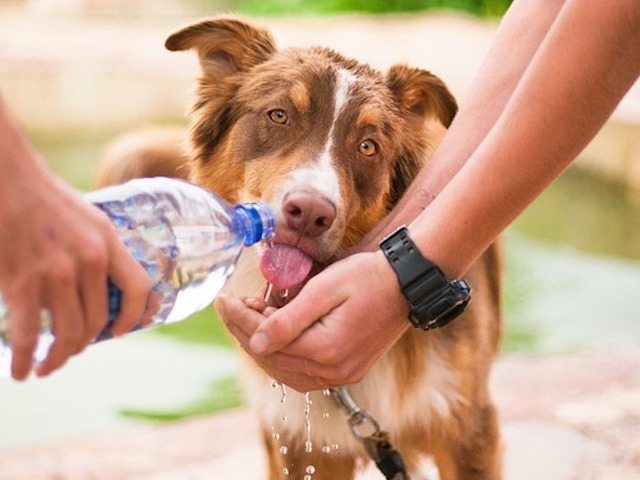
Keeping your dog hydrated is essential during hot weather. Fresh, cool water should be available at all times. Dogs can’t communicate their thirst effectively, so it’s up to you to ensure they drink enough.
Offer multiple bowls of water around the house or yard. You might be surprised how often a simple bowl refill encourages them to sip more frequently.
Shade is equally important. If your dog spends time outside, create shaded areas using tarps or umbrellas. Trees provide natural relief but may not always cover every spot where your pup likes to lounge.
Remember that even on cloudy days, UV rays can still penetrate and cause harm. A cool place helps regulate their body temperature and keeps them comfortable while preventing overheating.
Watch for signs of heat stress like excessive panting or lethargy as these indicate that hydration and shade are needed urgently.
Have a read of our article on How to encourage my dog to drink more water? for more tips and tricks.
The Dangers of Hot Cars: A Deadly Trap
Hot cars present an immediate and serious threat to dogs. Just a few minutes in a vehicle can turn deadly, even with the windows cracked open. The temperature inside a parked car can rise dramatically, leading to dangerous levels of heat.
Dogs cannot sweat like humans, which means they rely on panting to cool themselves down. When trapped in a hot environment, their ability to regulate body temperature diminishes rapidly. This makes them susceptible to overheating and heatstroke.
Even on mild days, the interior of your car can reach unsafe temperatures within moments. Leaving water or cracking windows is not enough protection for your furry friend.
It’s crucial never to leave dogs unattended in vehicles during warm weather. If you see a dog locked inside under such conditions, it’s important to take action swiftly—whether that involves alerting authorities or breaking into the vehicle if necessary.
Practical Tips for Keeping Your Dog Cool and Comfortable
Keeping your dog cool and comfortable during hot weather is essential for their health and well-being. Here are some practical tips to help you manage your dog’s heat sensitivity:
First, always provide access to fresh water. Hydration is crucial in hot temperatures, so make sure your dog has plenty of clean drinking water available throughout the day.
Shade can also play a significant role in keeping dogs cool. Whether you’re outside or at home, create shaded areas where your dog can retreat from direct sunlight. A simple umbrella or a canopy can work wonders.
Adjusting exercise routines is another key aspect. Opt for early morning or late evening walks when temperatures are cooler. Avoid vigorous activities during peak heat hours to minimize the risk of overheating.
Consider investing in cooling products such as mats or vests designed specifically for dogs. These items can help lower body temperature effectively and keep them comfortable during outdoor adventures.
Be mindful of how long you leave your pet outside—especially on particularly hot days—and be vigilant about watching for signs of heat stress like excessive panting, drooling, lethargy, or difficulty breathing.
Lastly, educate yourself about leaving dogs unattended in vehicles; it’s critical to understand that even short trips can quickly turn dangerous as car interiors heat up rapidly under the sun’s rays.
By taking these precautions seriously and adapting to warm weather conditions, you’ll ensure that your furry friend stays safe and relaxed all summer long while enjoying outdoor activities together!